
Happy May Day!
Take a minute and celebrate the day known as Calan Mai, Bealtaine, Là Bealltainn, or May Day with us!
May Day in Wales is known as Calan Mai; in Ireland as Beltaine; in Scotland as Là Bealltainn; and May Day in England. This celebration, naturally, occurs on May 1st every year and began with Druids and their now-ancient Celtic calendar.
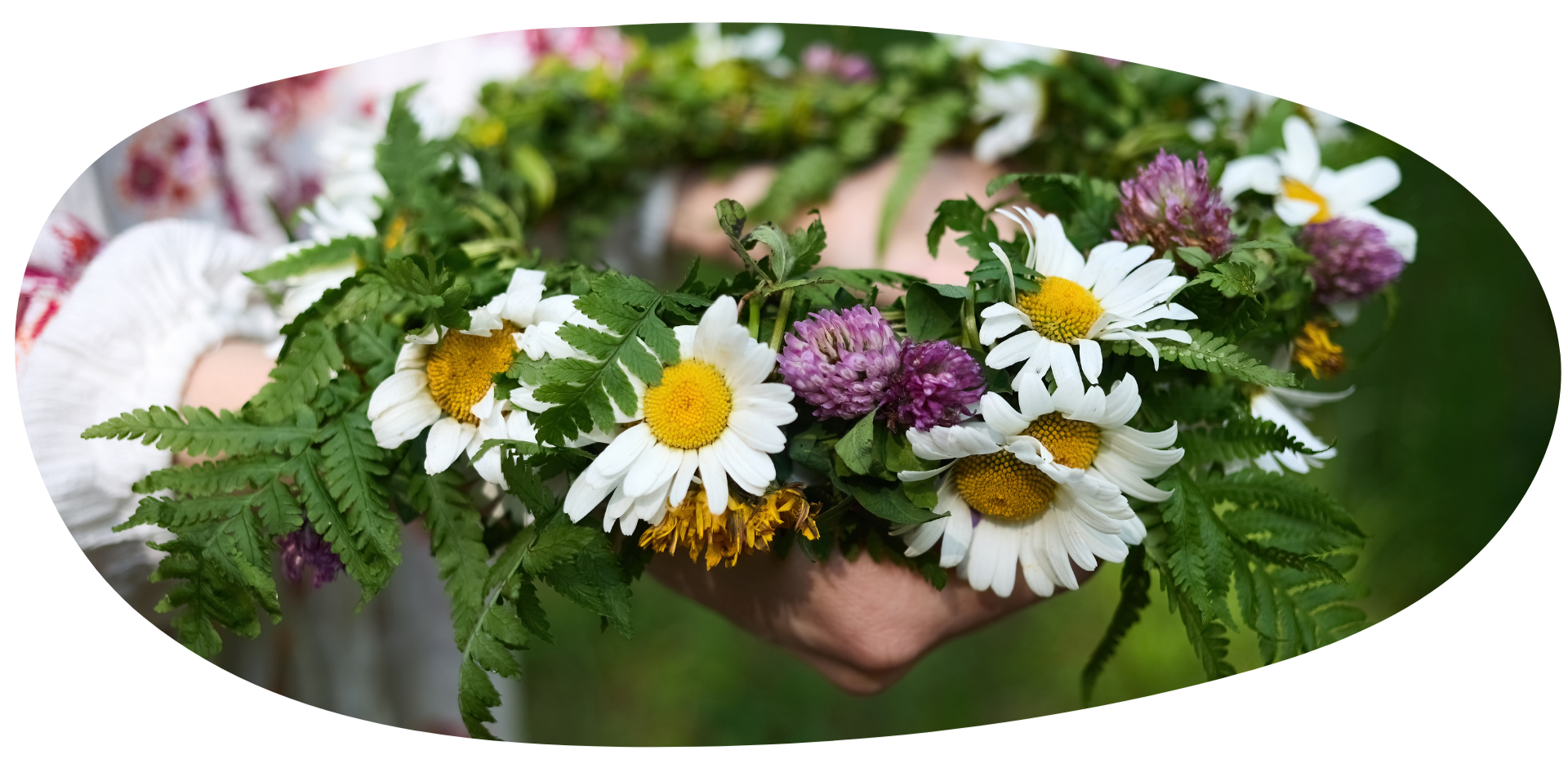
What are some of the ancient May Day customs?
Well, firstly, it's important to recognise the purpose of the holiday as a whole! May 1st is a time when summer can be ushered in after the long winter and the unknowable whims of the spring. The community can make the trek to come together again more easily. Their livestock can move to their high pastures with their new springtime babes and the people can more readily make the journey just for community's sake. It marks, in essence, the transition from the dark half of the year to the light half.
The specific ways the ancient Celtic versions of May Day were celebrated is similar in spirit to today's traditions:
Partaking in community-focused festivals,
Cleansing fire ceremonies,
Dancing,
Singing, and
The gifting of floral arrangements and sweet treats
All of these are still common today! However, some differences lie in the traditions around fortune telling, warding off evil spirits, gifting the good luck from your own home, whistling, and – don't forget – the Bábóg!
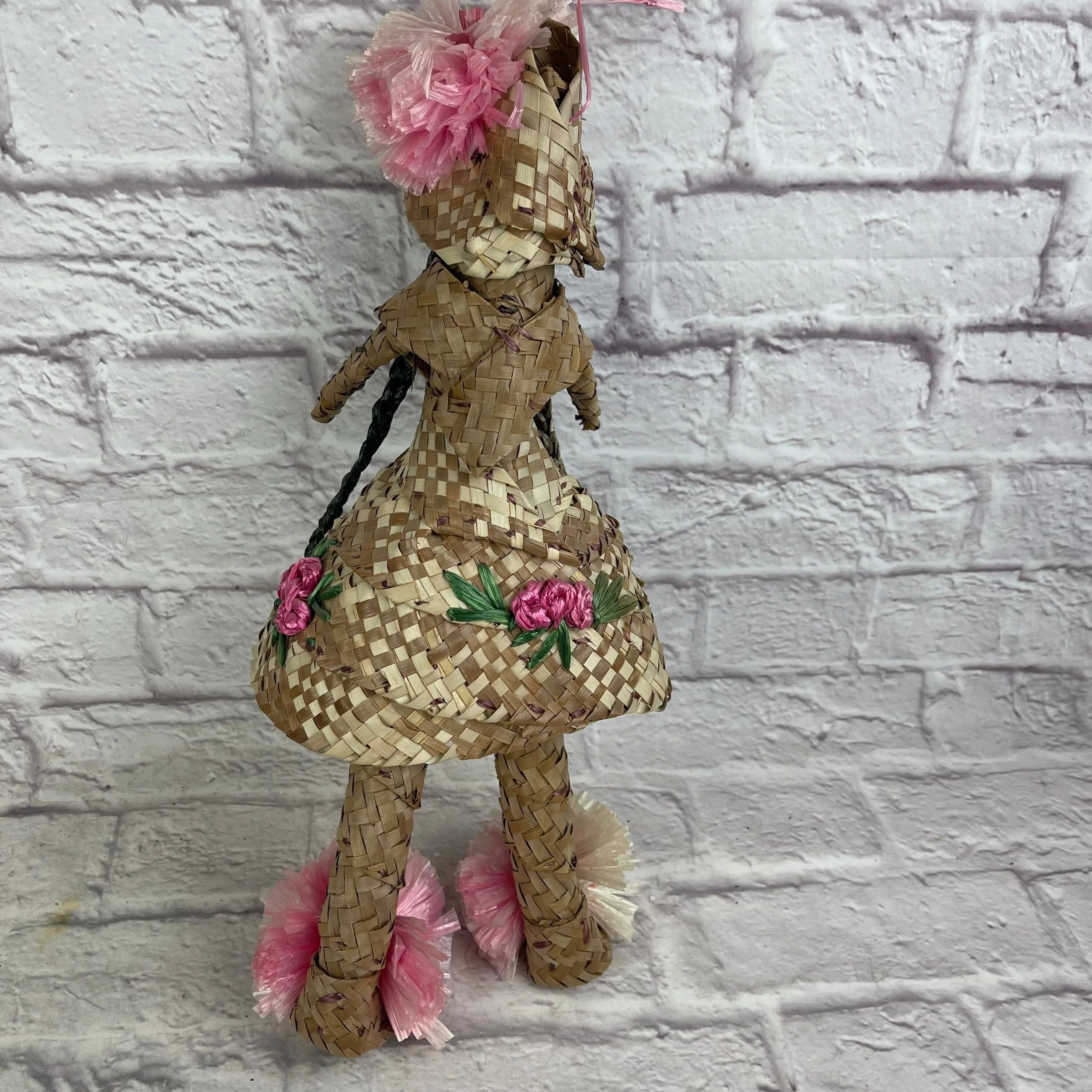
The Bábógna Bealtaine, or the "May baby", is a traditional Irish effigy. These were typically made of straw and associated with the matchmaking aspect of the reawakening of the year. These dolls would go on their own well-wishing journey and act as blessing for those looking for matches in this season.
Along similar matchmaking lines – but perhaps significantly more involved –back in the day in Wales, when a young woman wished for a marriage match and wanted to capitalise on the good spirits present for Calan Mai, she would partake in a particular ritual. Under her pillow she would place a shoulder of mutton with nine holes in it with her shoes perpendicular to each other at the foot of her bed. She would then chant a spell over this display and afterwards, dream of her true love to complete the ritual. These days, things are certainly different, if not simpler!
What are some of the May Day traditions still alive today?
Dancing around the May Pole, singing songs, making flower crowns, and celebrating the reunion of the community in – hopefully – brighter times are all still very much a part of the May Day celebrations in the United Kingdom and Ireland.
In Ireland, you can visit Newgrange, the Hill of Uisneach, and more for a thoroughly Celtic Bealtaine. In Wales, you can visit some of the smaller villages dotted throughout the countryside in tandem with visiting its dolmens, like Pentre Ifan. In Scotland, you can find its well-preserved Neolithic sites like Skara Brae off of Orkney, and more. And in England, visiting Stonehenge to make out the purpose of the standing stones yourself can take you on a similar journey to those who've gone before you!
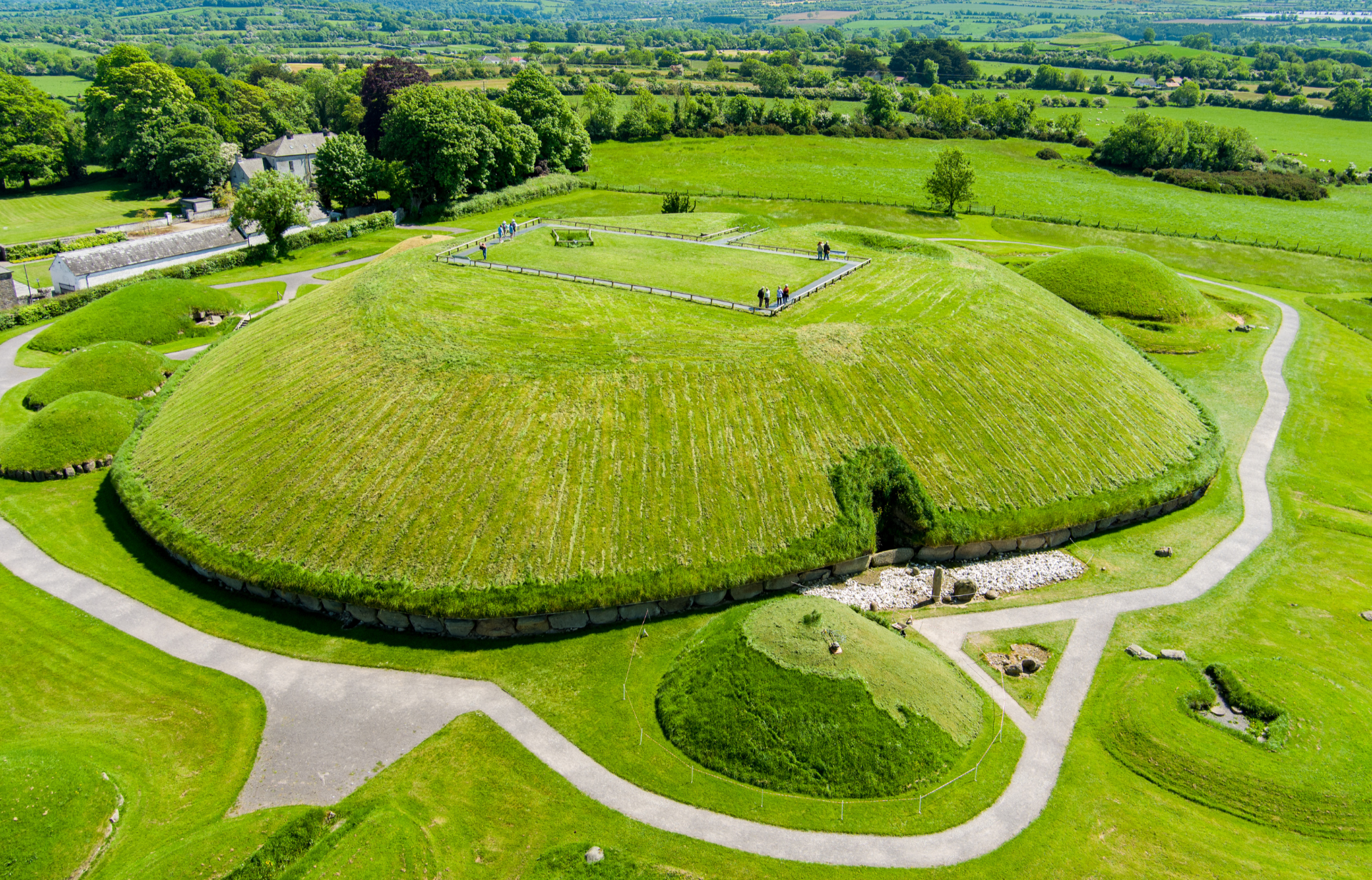
Newgrange, Ireland
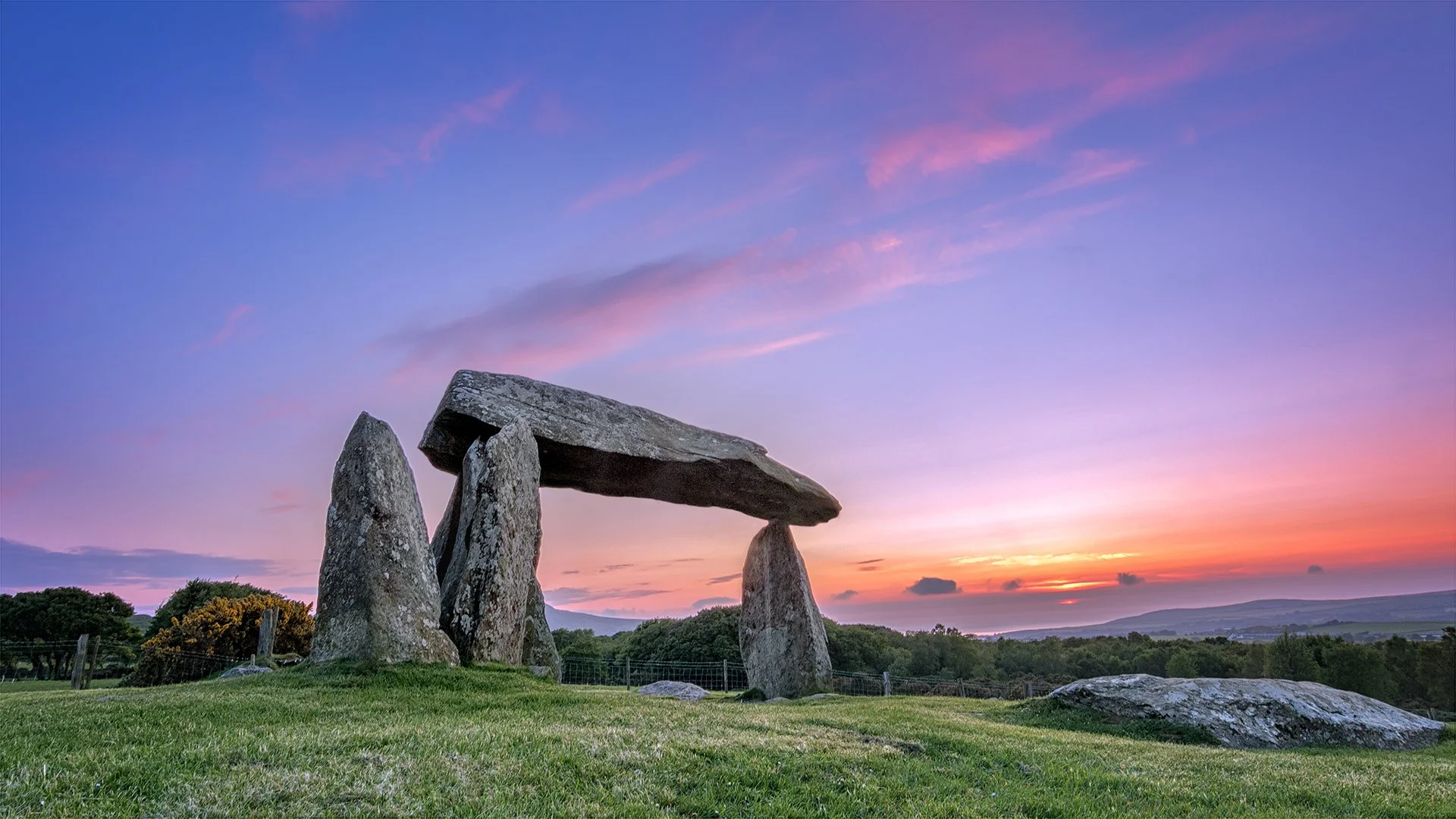
Pentre Ifan, Wales
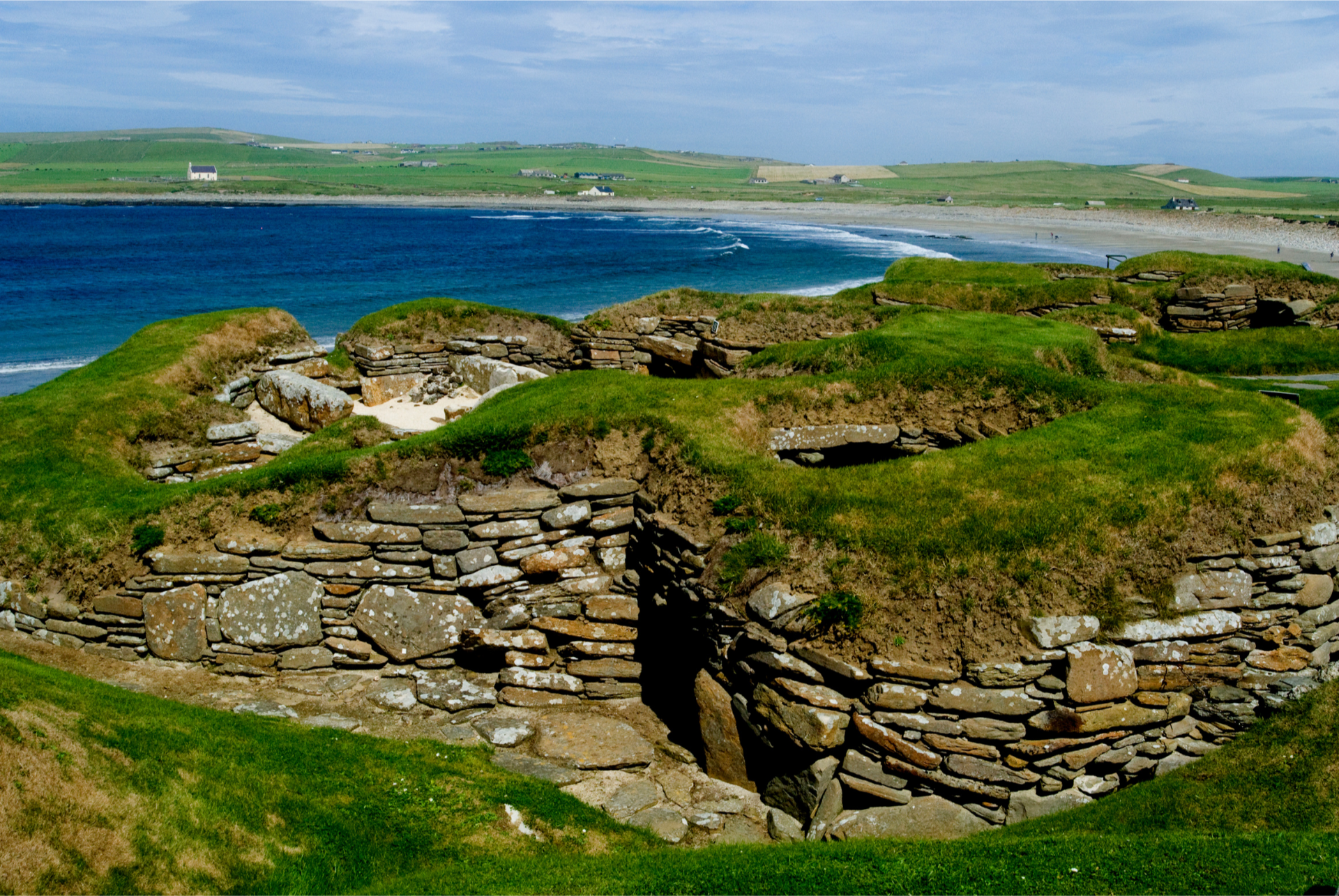
Skara Brae, Scotland
What can your group do to participate in May Day?
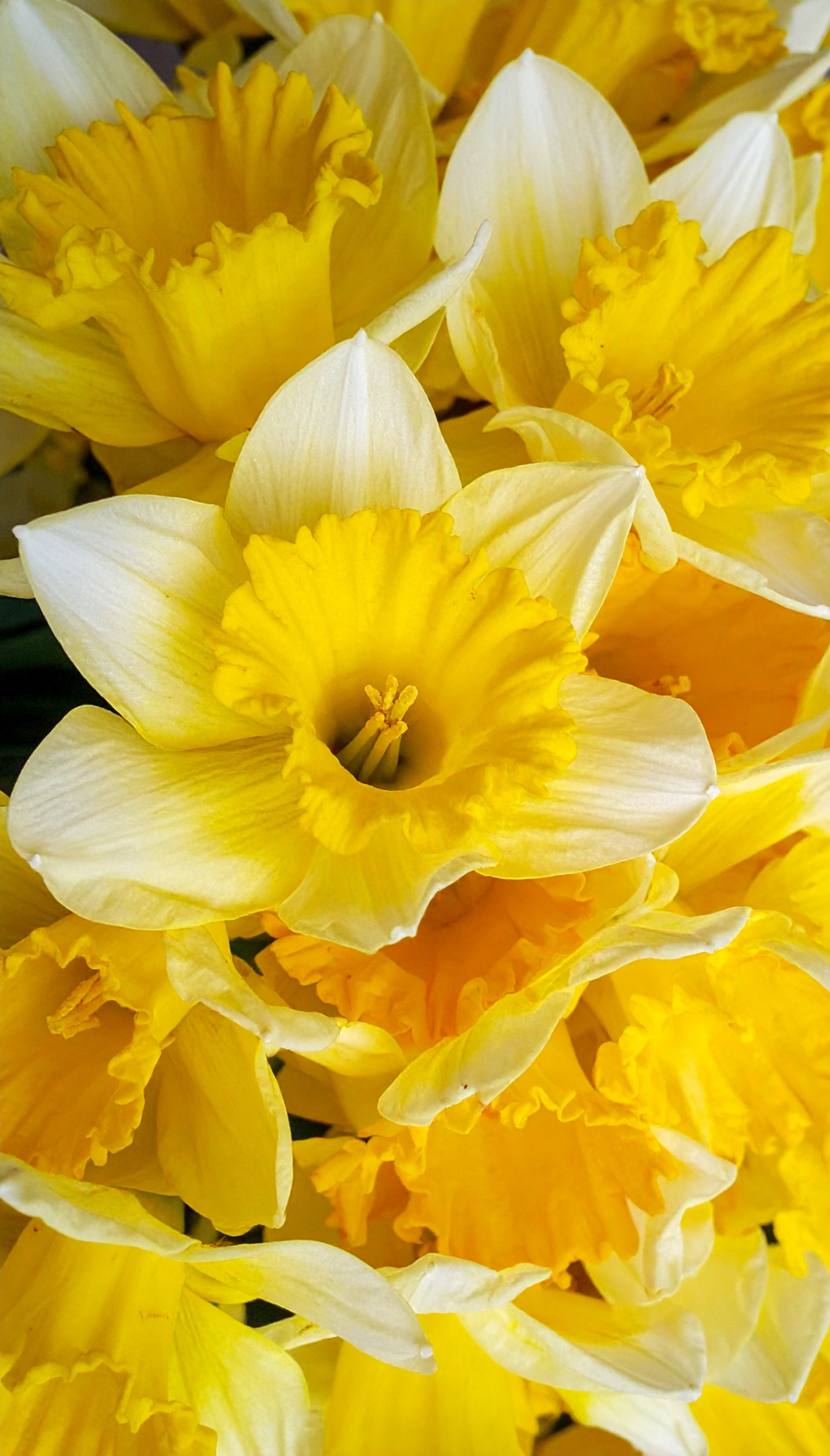
From performing at these lively, floral-filled festivals to taking part in workshops on the ancient traditions of old Celtic ways to engaging with the local community in a unique and meaningful way, the options are endless! Your groups will take home unique skills and connections to another culture for a lifetime.
Celebrate May Day with us this year, and every year after, when you travel to Ireland and the United Kingdom next May.