
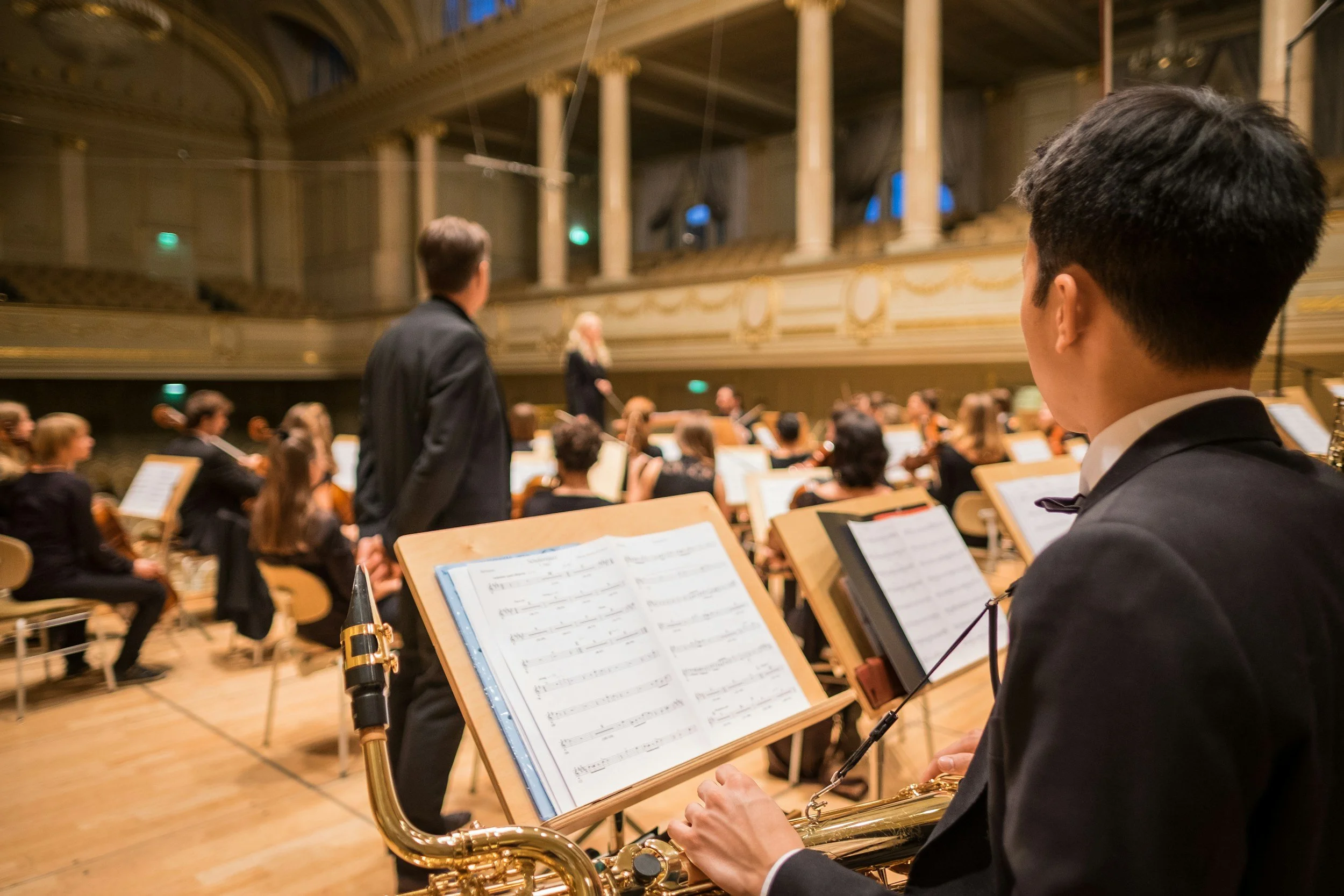
Destinations · Wales
Music tours in Wales
Sing and play in the Land of Song, home of male voice choirs and proud brass bands, in a country with its own language, music and heritage that deserves a tour of its own.
Why Wales suits touring ensembles
Cross the border from England and the change is striking: the language on the signs, the music and the accent are all Wales's own. This is a country with its own culture and heritage, and seeing it in person is something special.
Wales is famous for its male voice choirs and for brass bands that grew out of working communities in the south Wales valleys, Cardiff and Wrexham. It is a nation that sings, and hearing a rugby crowd sing the anthem is something you never forget.
Most groups add a day in Cardiff to an England tour and miss the middle and north, where Welsh culture comes alive. Give Wales time on its own merit: fly into Manchester, head for Wrexham and Eryri, travel south to Cardiff and fly home from London.
Gwlad y Gân
the Land of Song
Male voice choirs
a tradition still going strong
Brass bands
rooted in working communities
Cymraeg
a language all its own
Where to perform in Wales
Wales rewards groups who go beyond the capital. Chapels, cathedrals and community halls make warm settings for concerts, and the rehearsal rooms of Welsh choirs and brass bands are where exchanges come alive.
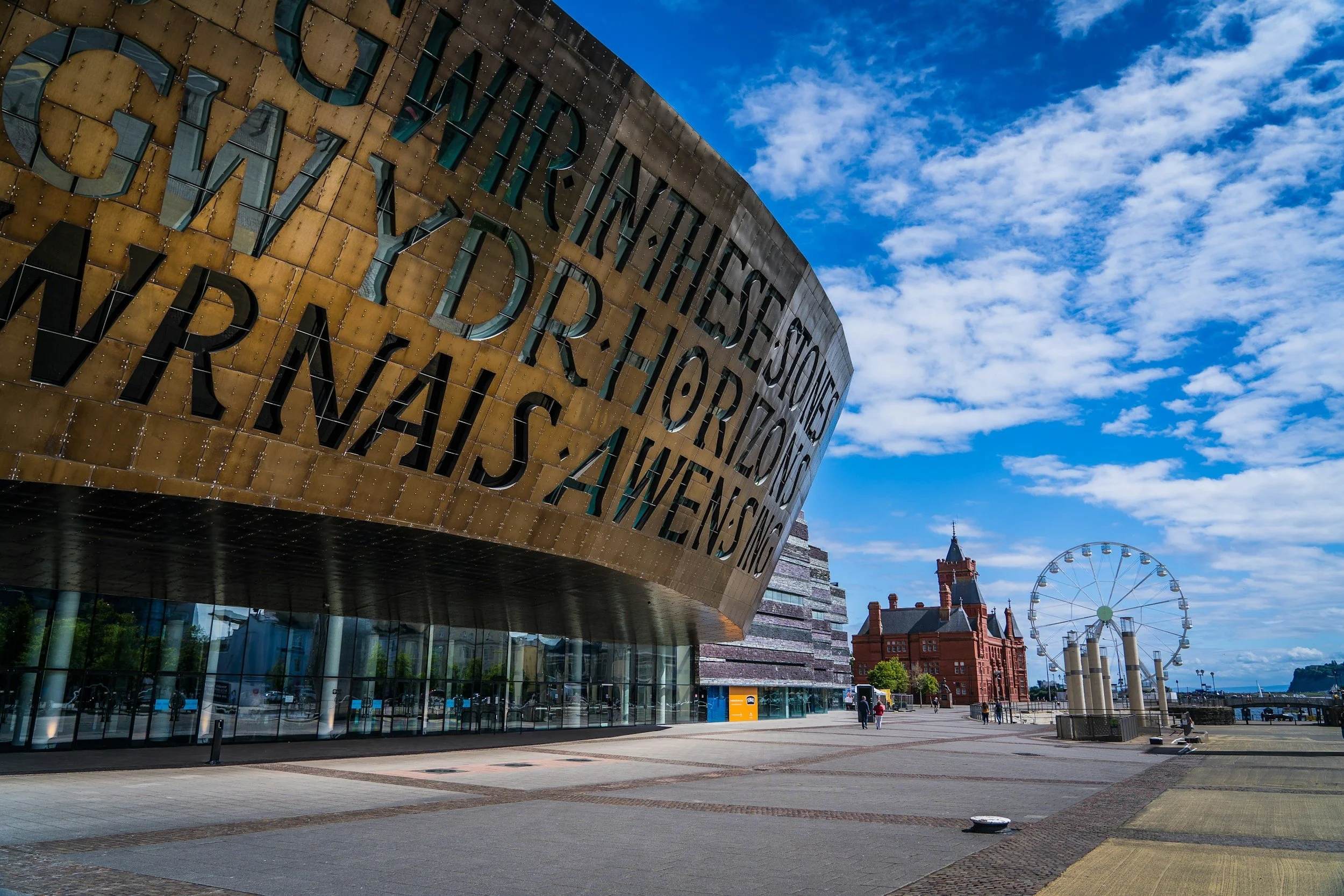
Cardiff and the south
Llandaff Cathedral and the capital's concert halls, with the chapels and brass band rooms of the south Wales valleys close by.
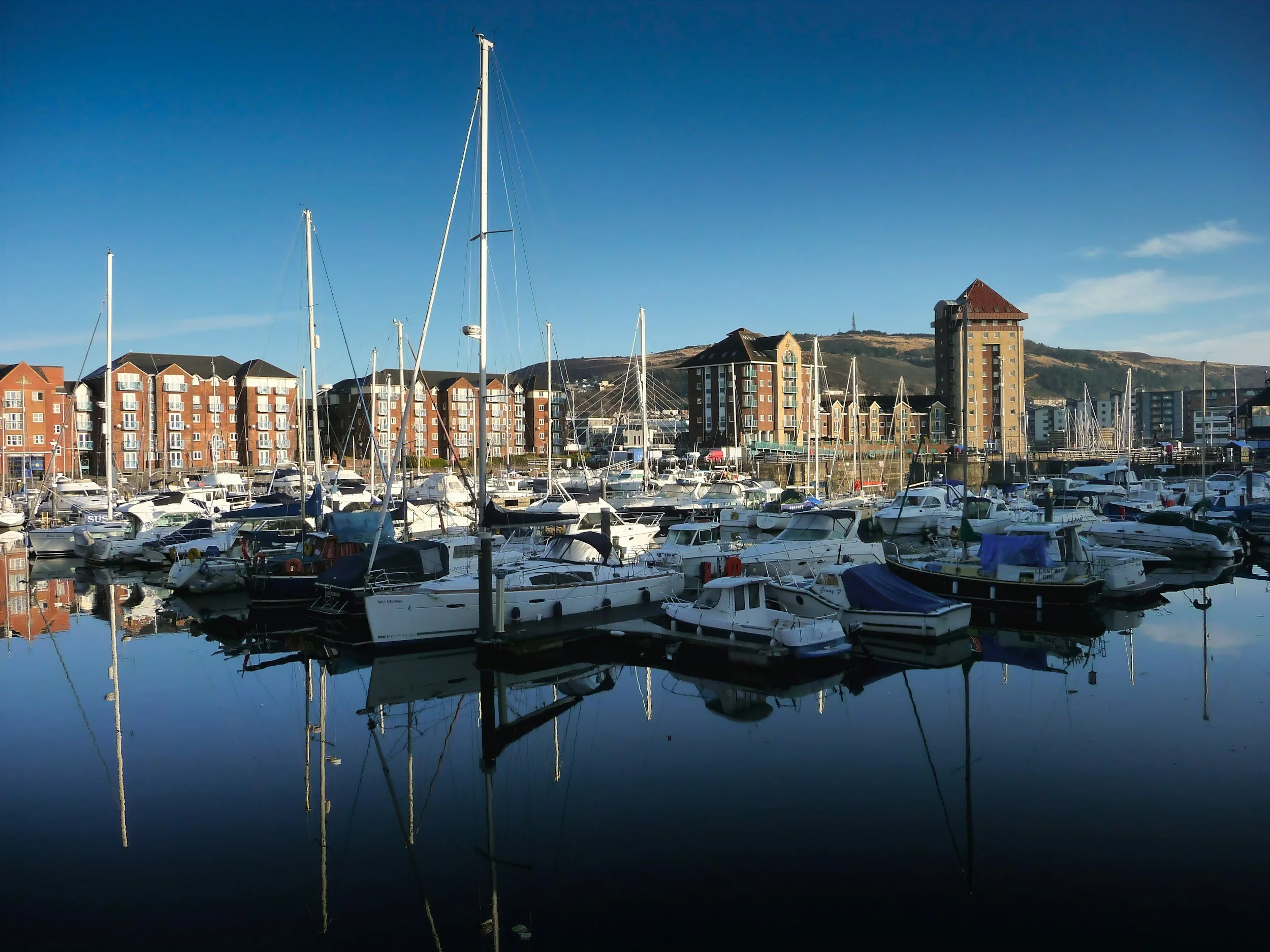
Swansea and the west
Chapels and community halls in Swansea and the old mining valleys, with the Gower coast on the doorstep.
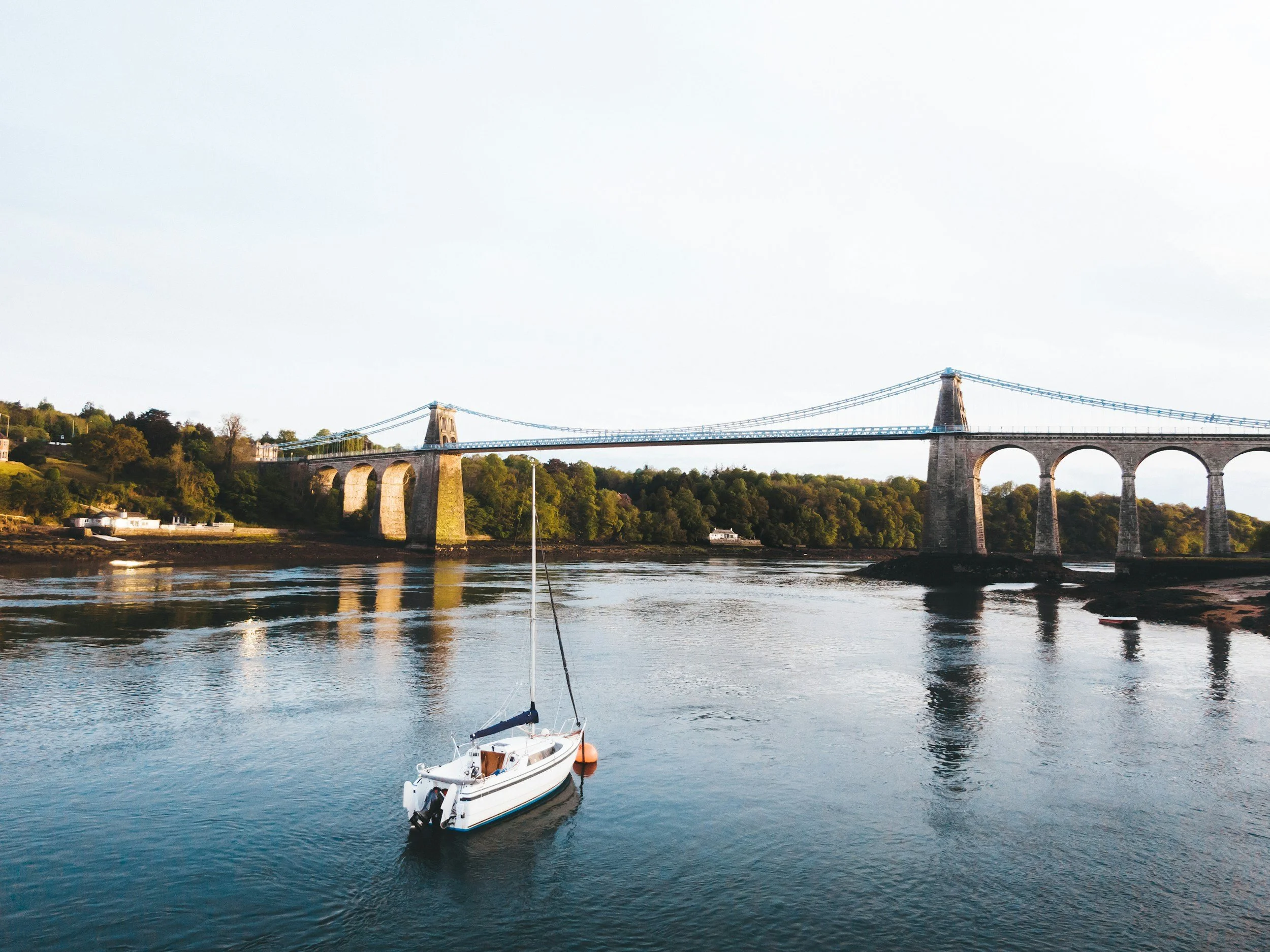
North Wales
Wrexham's proud brass band heritage, the mountains of Eryri and the castle towns of the coast, where Welsh is spoken and sung every day.
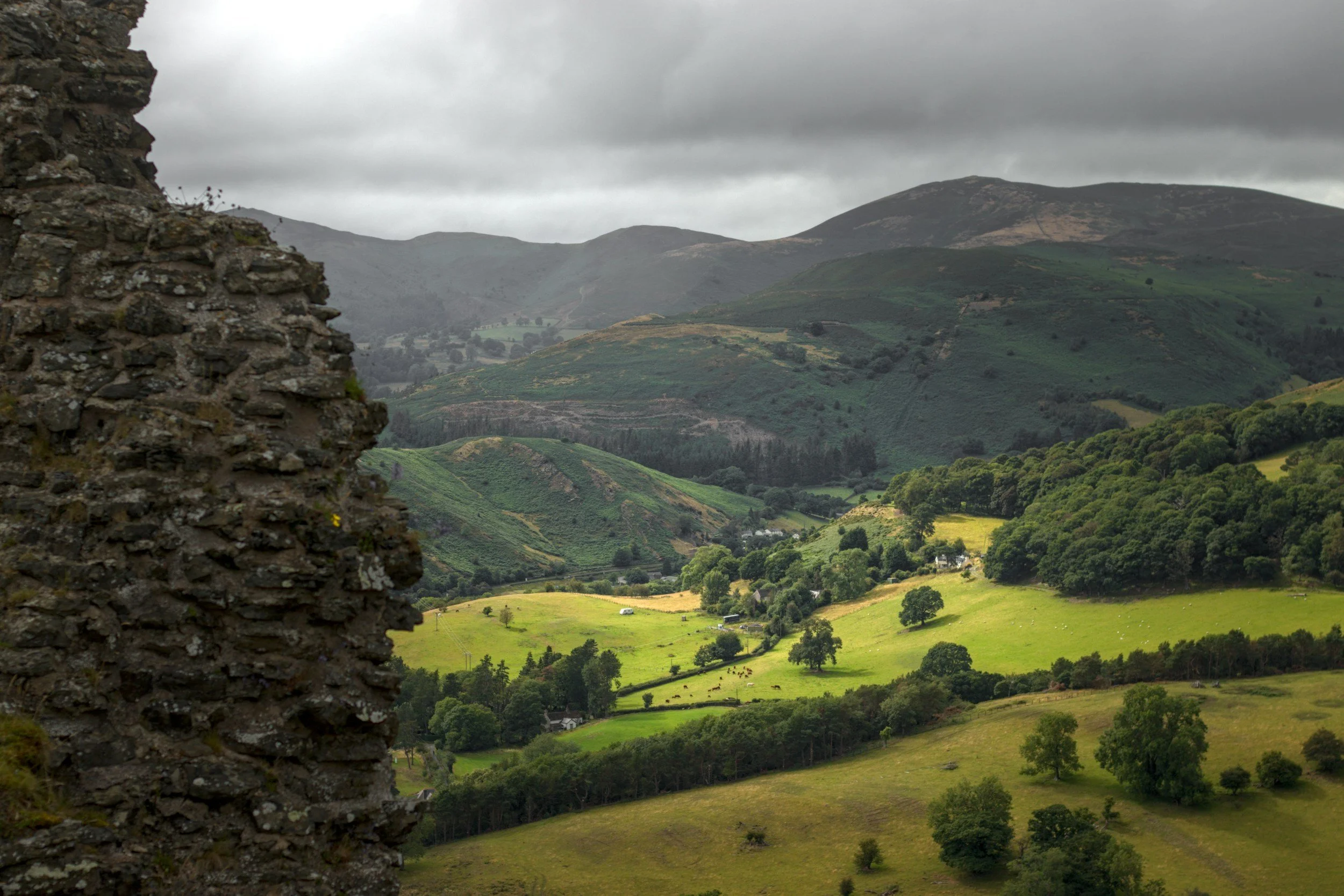
Llangollen
Home of the Llangollen International Musical Eisteddfod each July, in the Dee Valley close to Chester and the north of England.
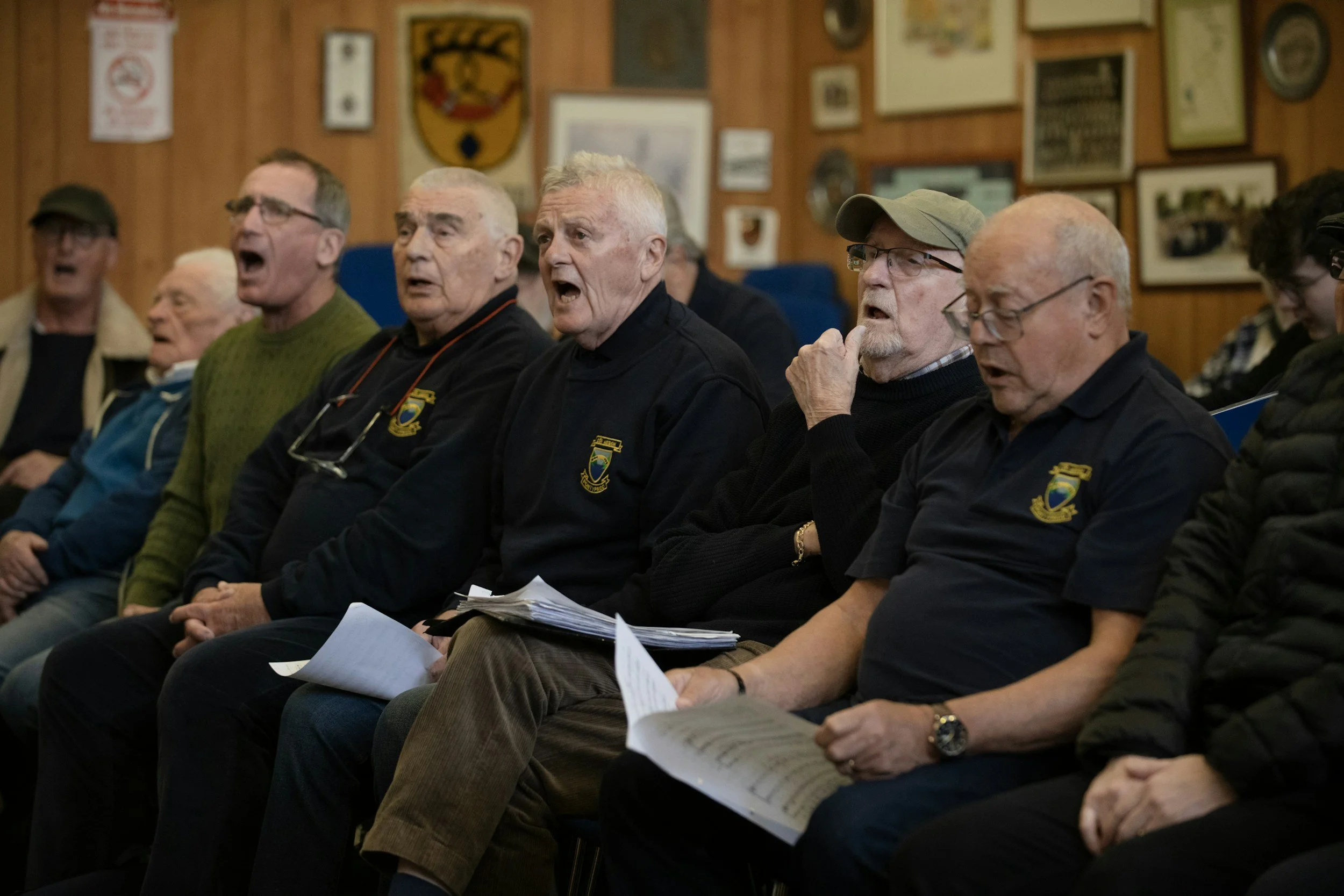
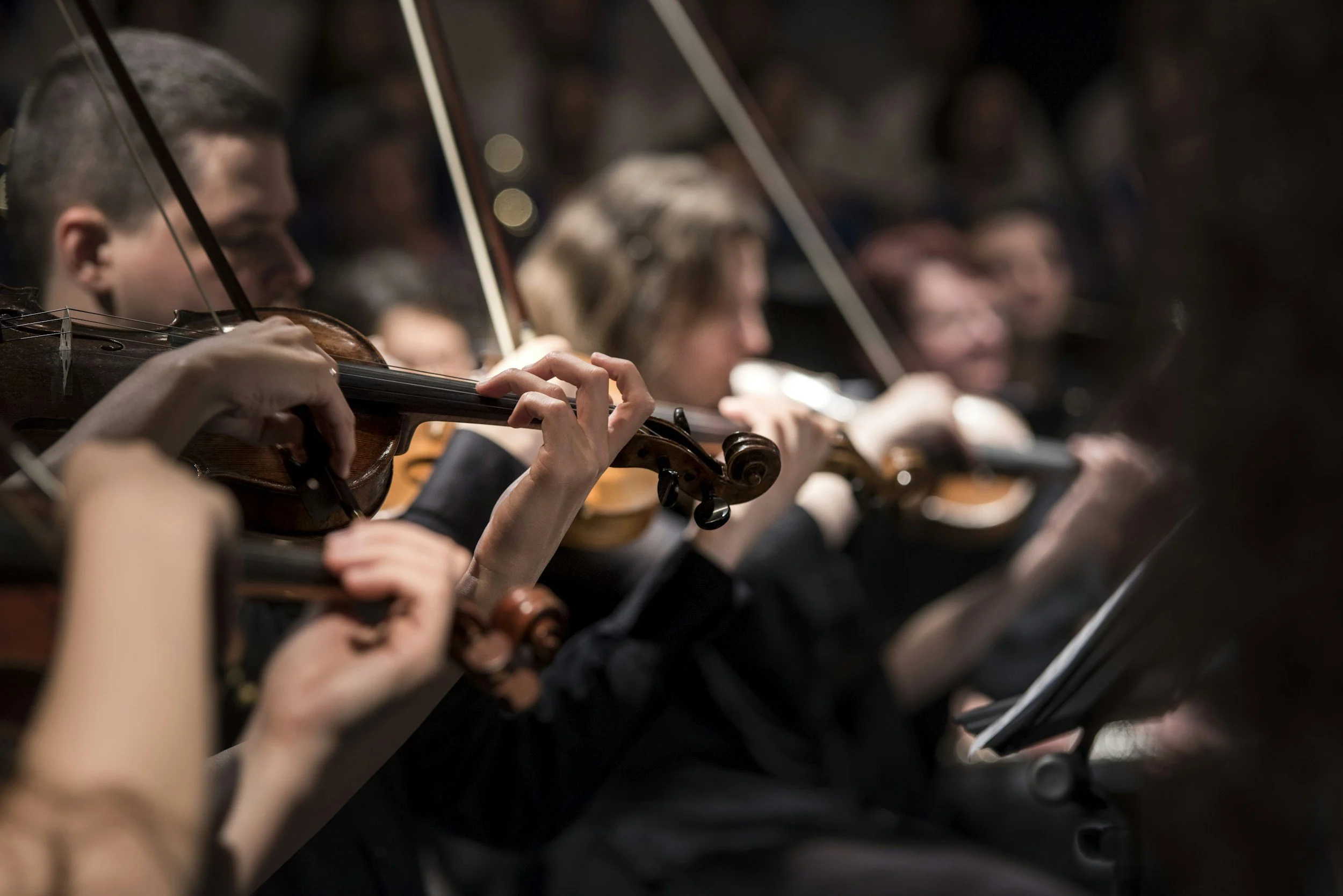
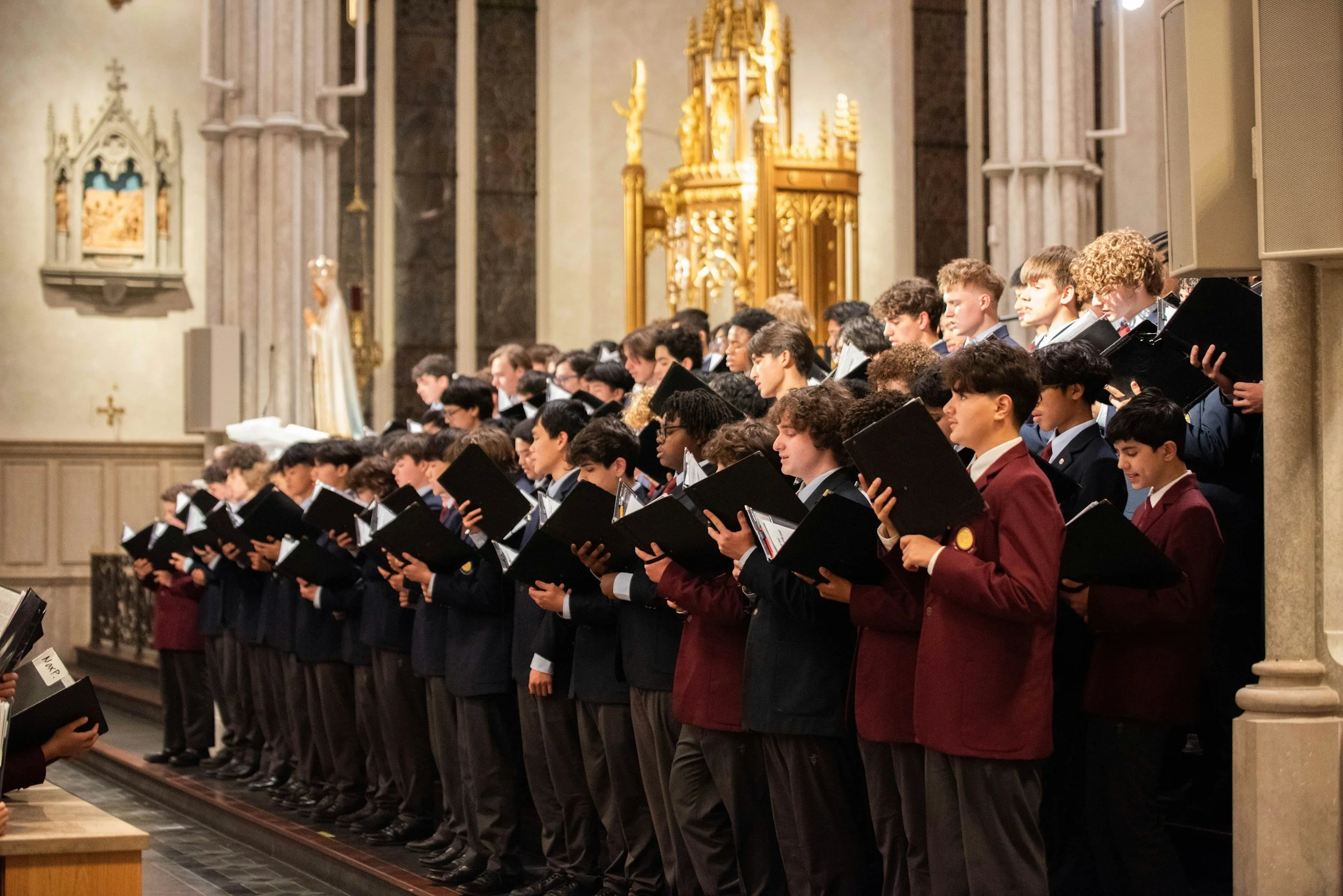
Male voice choirs, brass bands and the eisteddfod
Choral singing in Wales grew up in the chapels and the mining and quarrying communities, and brass bands grew from the same working towns. Both are still going strong, and many welcome visiting musicians.
We've worked with Welsh choirs and brass bands to organise workshops, exchange performances and joint concerts, and we can build the same into your tour.
Ways to take part
Choir and brass band exchanges · Joint concerts · Workshops · Welsh songs and pronunciation
Between the concerts
Castles, mountains and coast are never far away in Wales, so a free afternoon goes a long way. We fit sightseeing around rehearsals and travel so nobody arrives at a concert worn out.
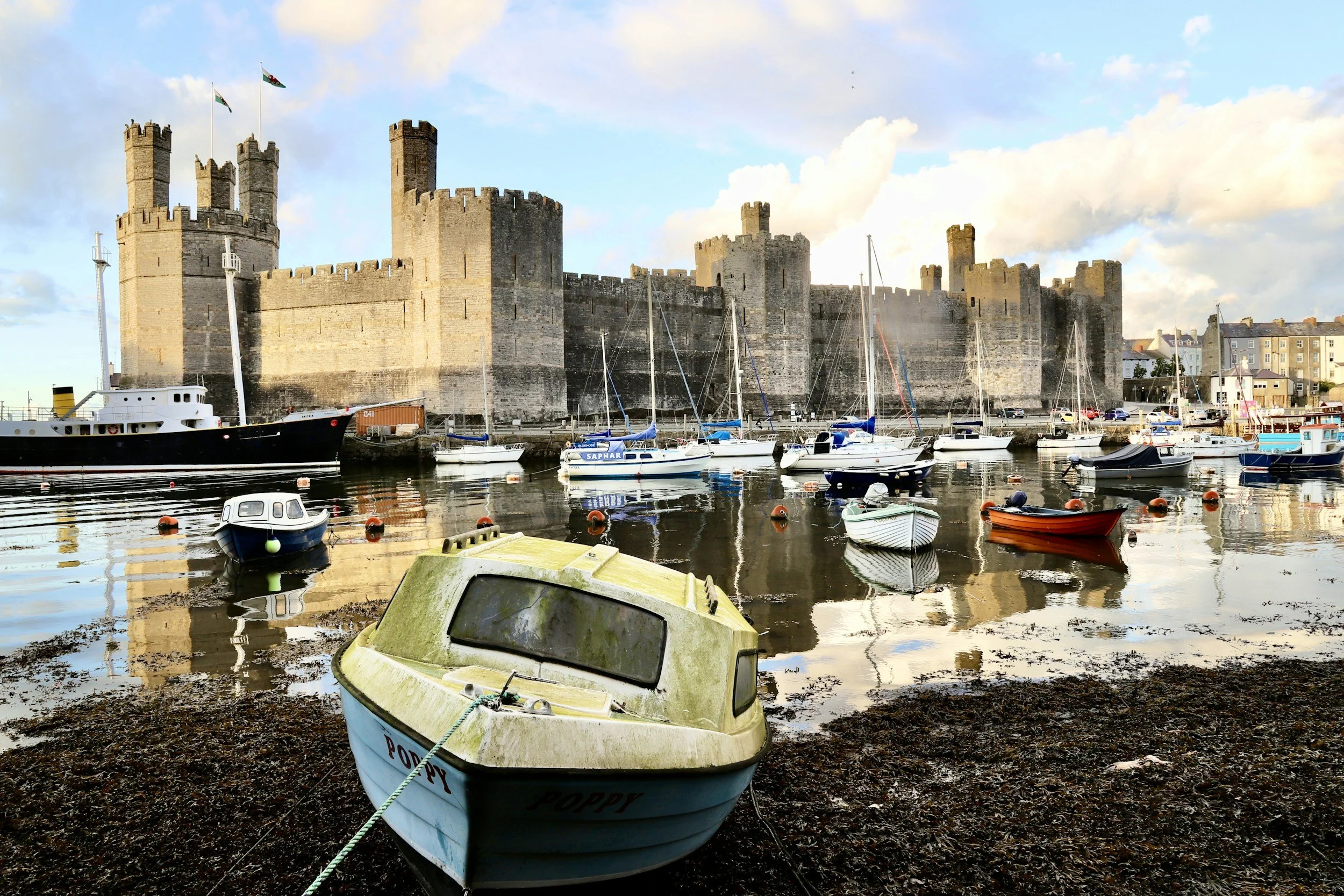
Castles of the north
Conwy and Caernarfon, two of Edward I's great castles, sit on the north coast and make an easy stop between concerts.
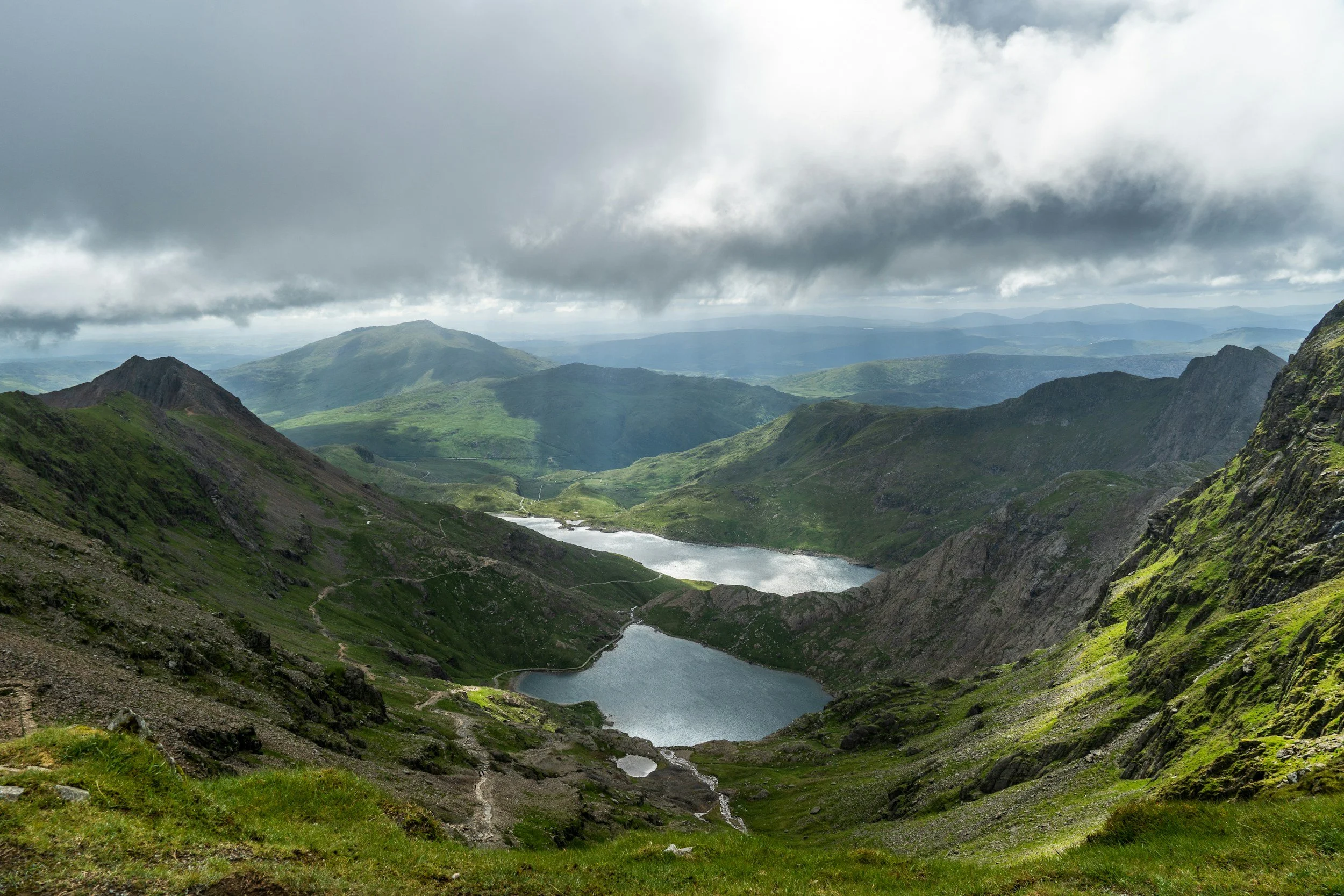
Eryri (Snowdonia)
Ride the railway up Yr Wyddfa (Snowdon), or walk the lakes of Wales's best-known national park.
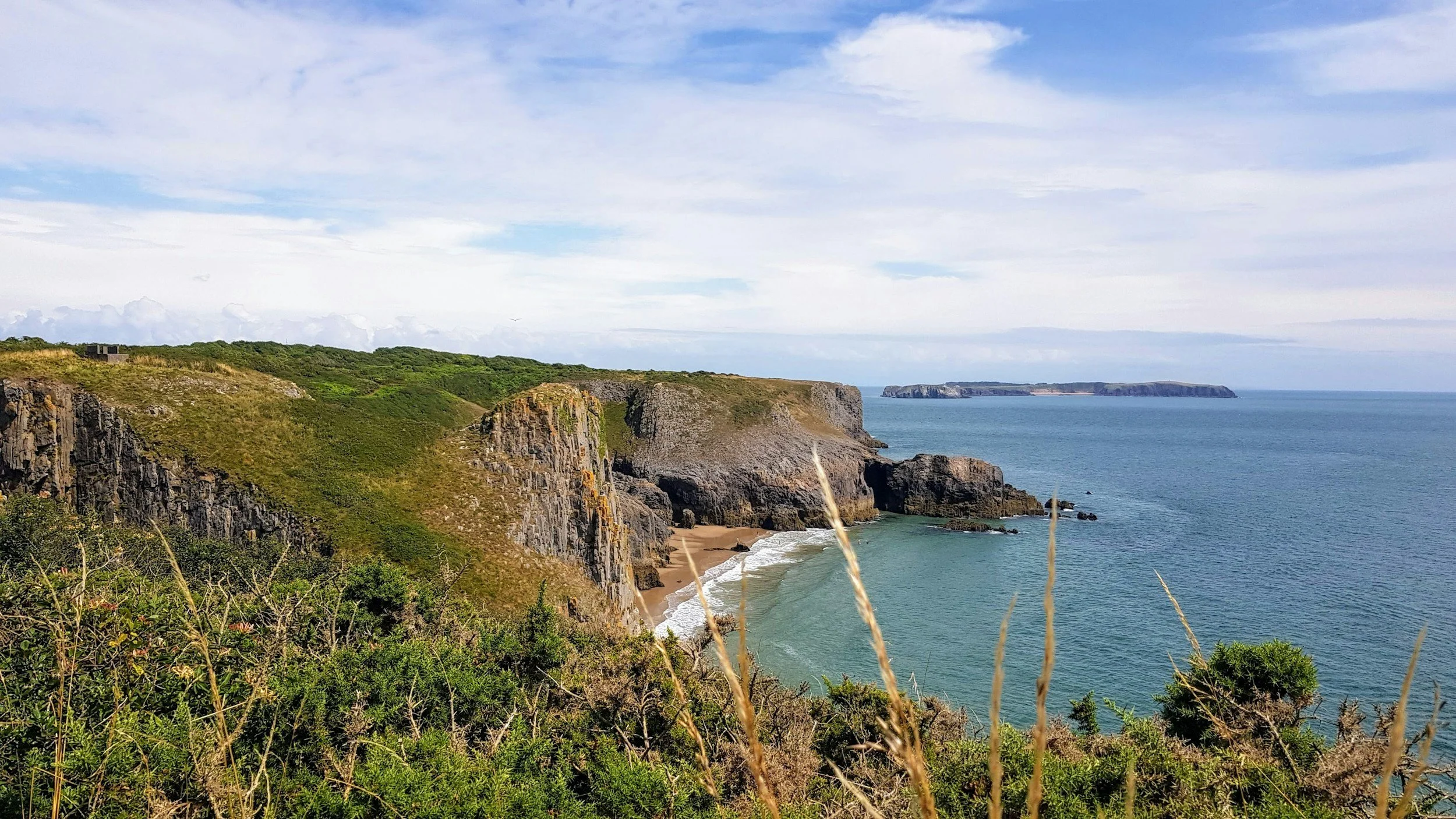
Coast and valleys
The brass band valleys of south Wales, the Pembrokeshire coast and Bannau Brycheiniog.
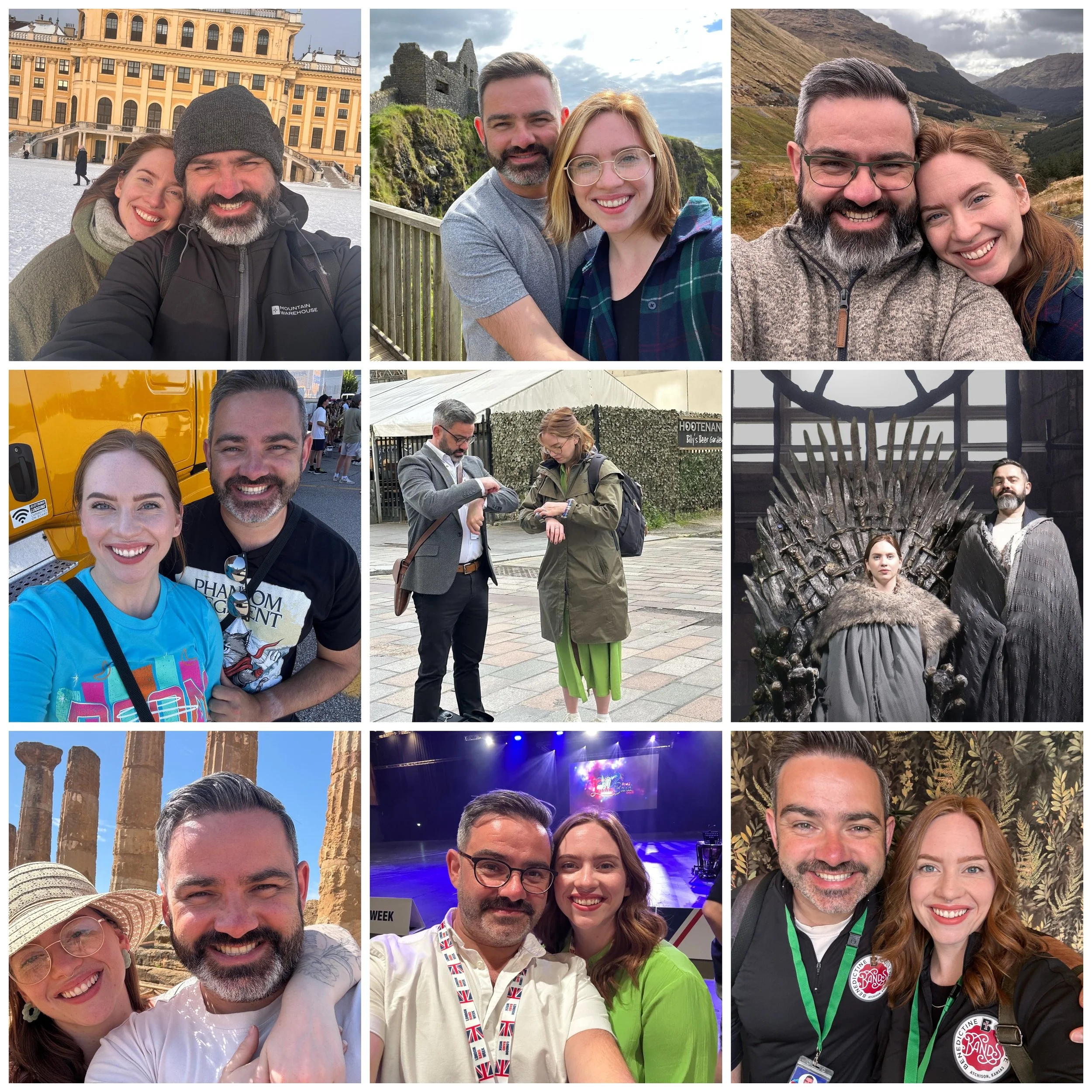
Planned by musicians who know Wales
Our team are professional musicians who have brought groups to Wales and worked with Welsh choirs and brass bands on workshops, exchanges and concerts. We plan for all of Wales, not just the capital, choosing venues that suit your repertoire, and an Upbeat tour manager travels with your group from arrival to departure.
Festivals
Wales's festivals are built around the eisteddfod, a celebration of music, poetry and dance. Choirs, dancers and instrumental groups come from around the world to Llangollen each July, and the National Eisteddfod of Wales follows in early August.
-
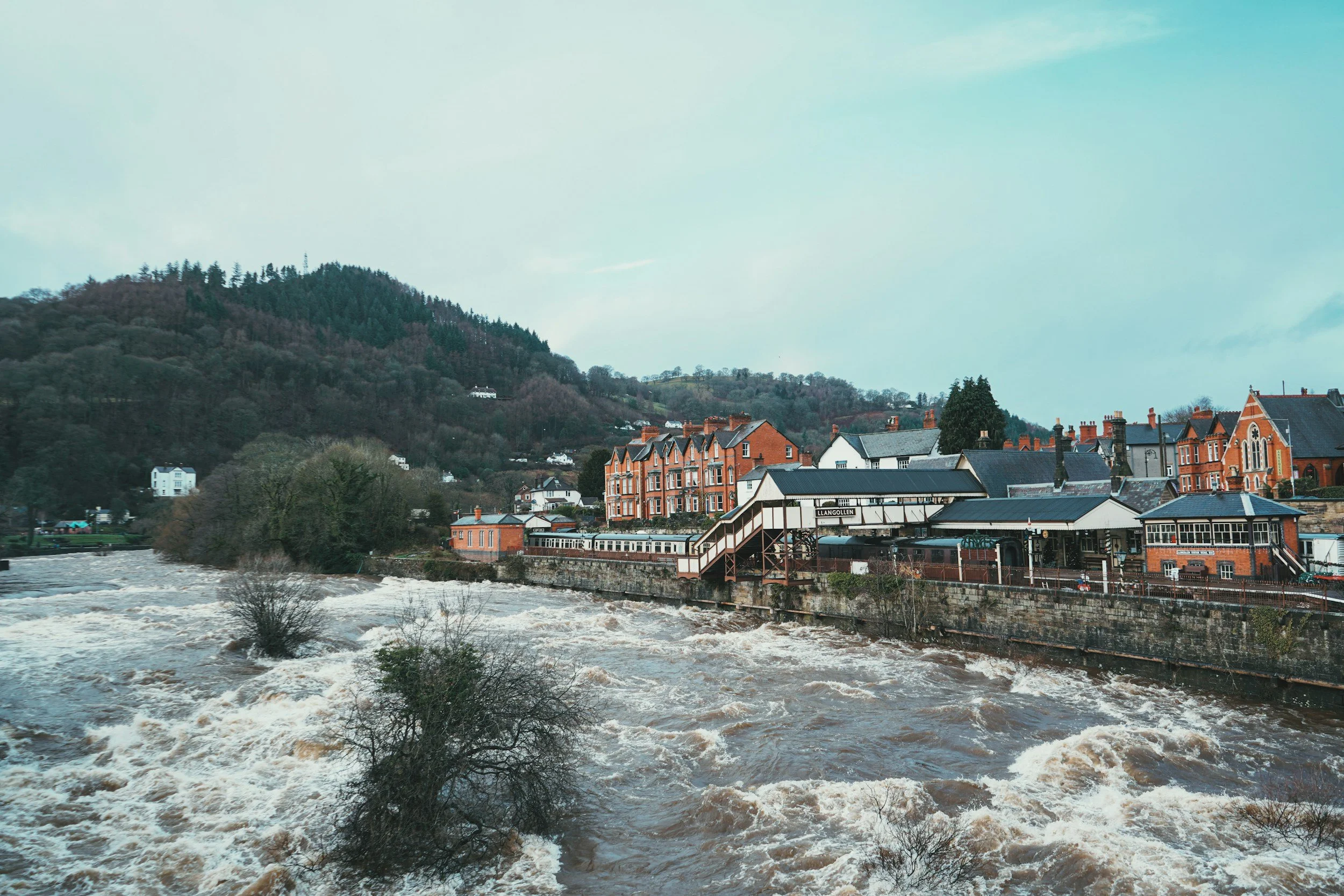
![The River Dee running through Llangollen, home of the International Musical Eisteddfod where choirs and dancers compete]()
Llangollen International Musical Eisteddfod
Choirs, dancers and instrumental groups from around the world compete and perform in Llangollen each July, at a festival founded after the Second World War to bring nations together through music.
-
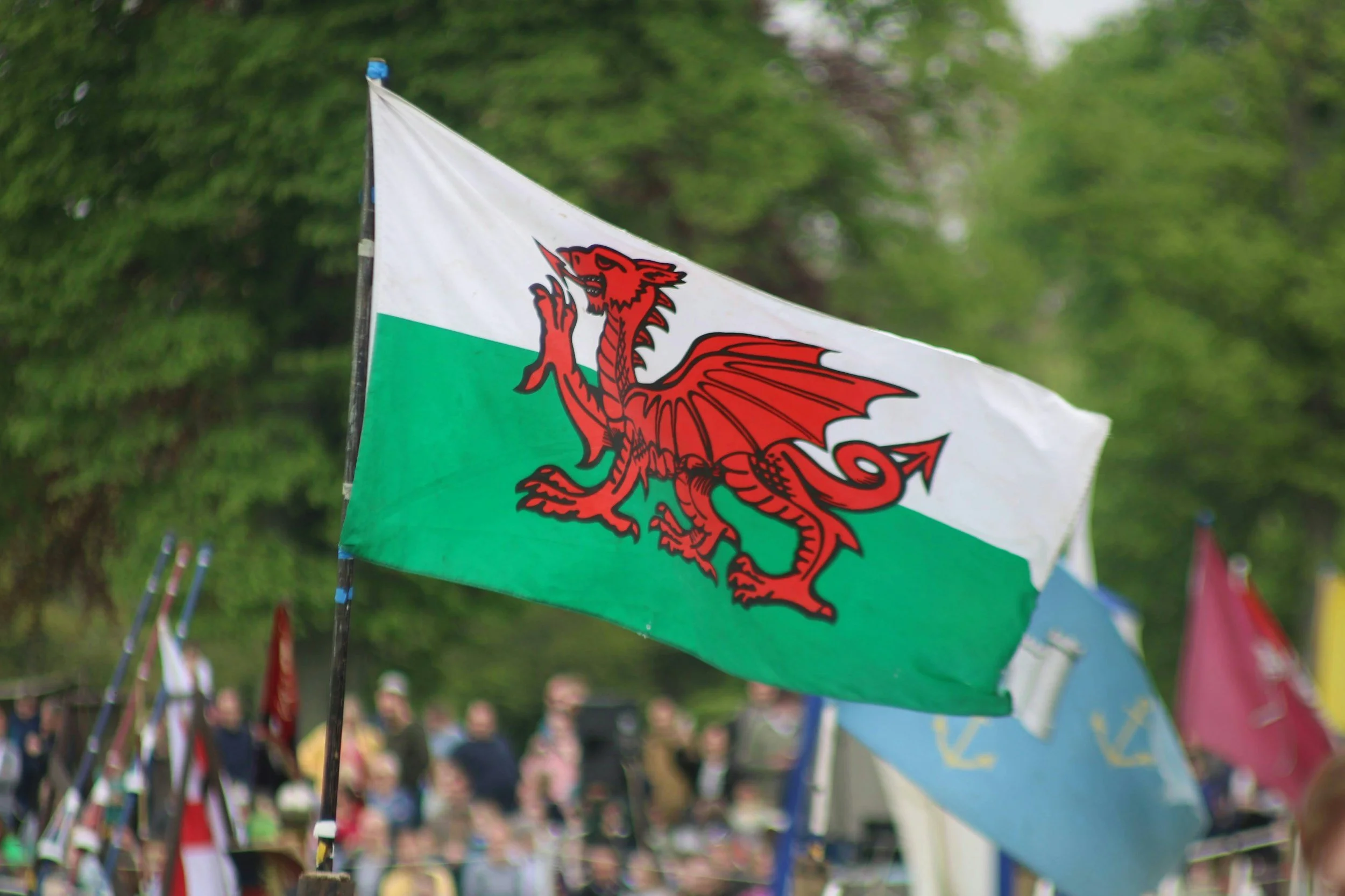
![The red dragon flag of Wales flying at the National Eisteddfod, Wales's biggest cultural festival]()
National Eisteddfod of Wales
Wales's biggest cultural festival moves to a different part of the country each year, in early August. Its competitions are held in Welsh, but visitors are welcome on the festival field and at its concerts.
Music tours in Wales for every kind of ensemble
School, collegiate and community groups all tour Wales with us. This is what Wales offers each kind of ensemble.
Marching band and drum corps
Outdoor performances in historic town centres and castle settings.
Concert band
Exchanges and joint concerts with Welsh brass and community bands, in a country where banding runs deep.
Orchestra
Cathedral and concert hall performances, in settings chosen to suit your repertoire.
Choir
Chapel and cathedral concerts, exchanges with Welsh male voice and mixed choirs, and the international stage at Llangollen.
Dance
Folk dance workshops, festival stages and the international dance competitions at Llangollen.
Pipe band
Parades and outdoor performances against castle backdrops in north and south Wales.
Combine Wales with
-
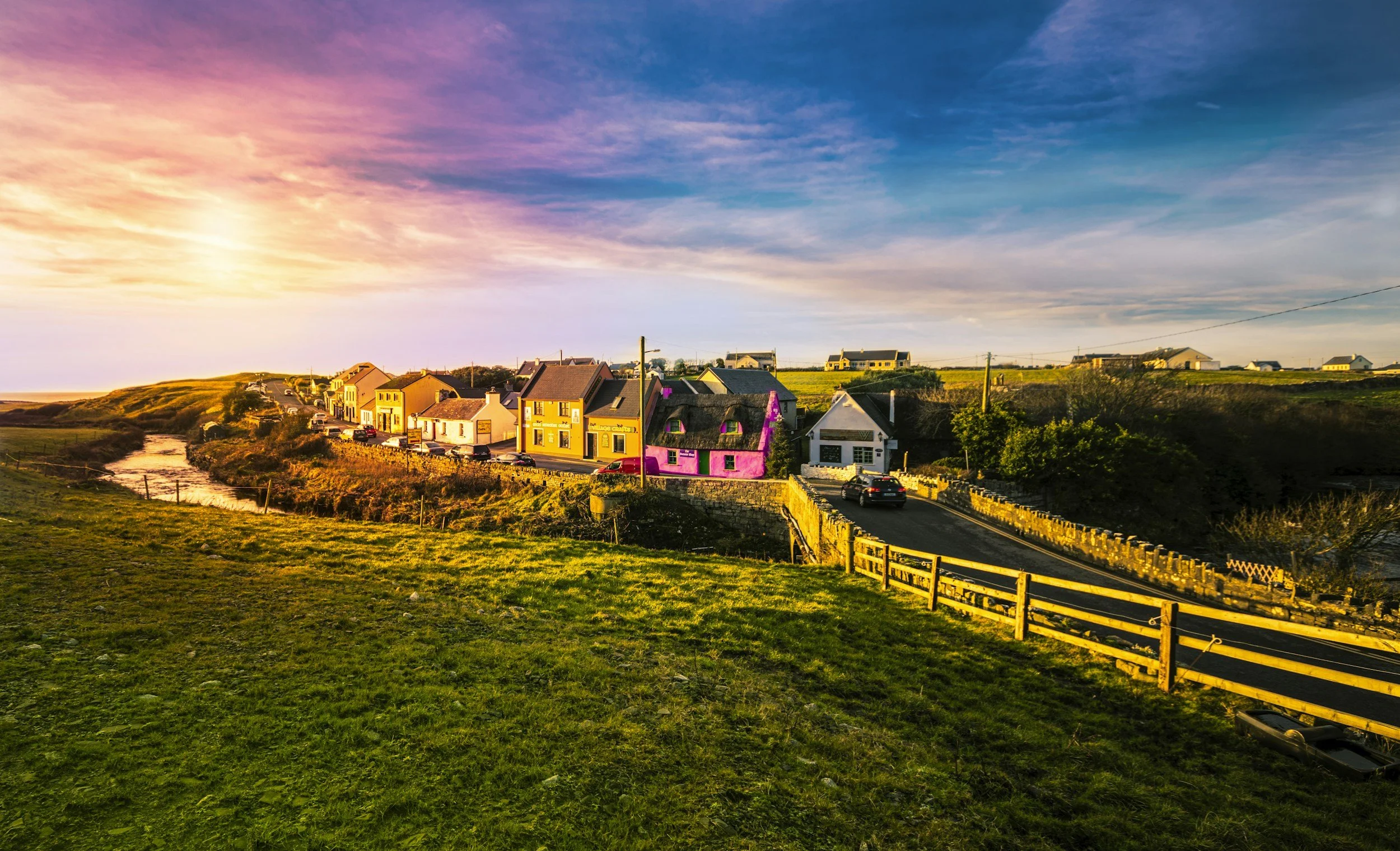
![Colourful cottages on a hillside in the Irish countryside at sunset]()
Ireland
Take your tour coach on the ferry from Holyhead to Dublin, or from Fishguard or Pembroke to Rosslare.
-
![Edinburgh Castle on its volcanic rock above the city under a blue sky]()
Scotland
Travel north by coach or train through the north of England to Glasgow and Edinburgh.
-
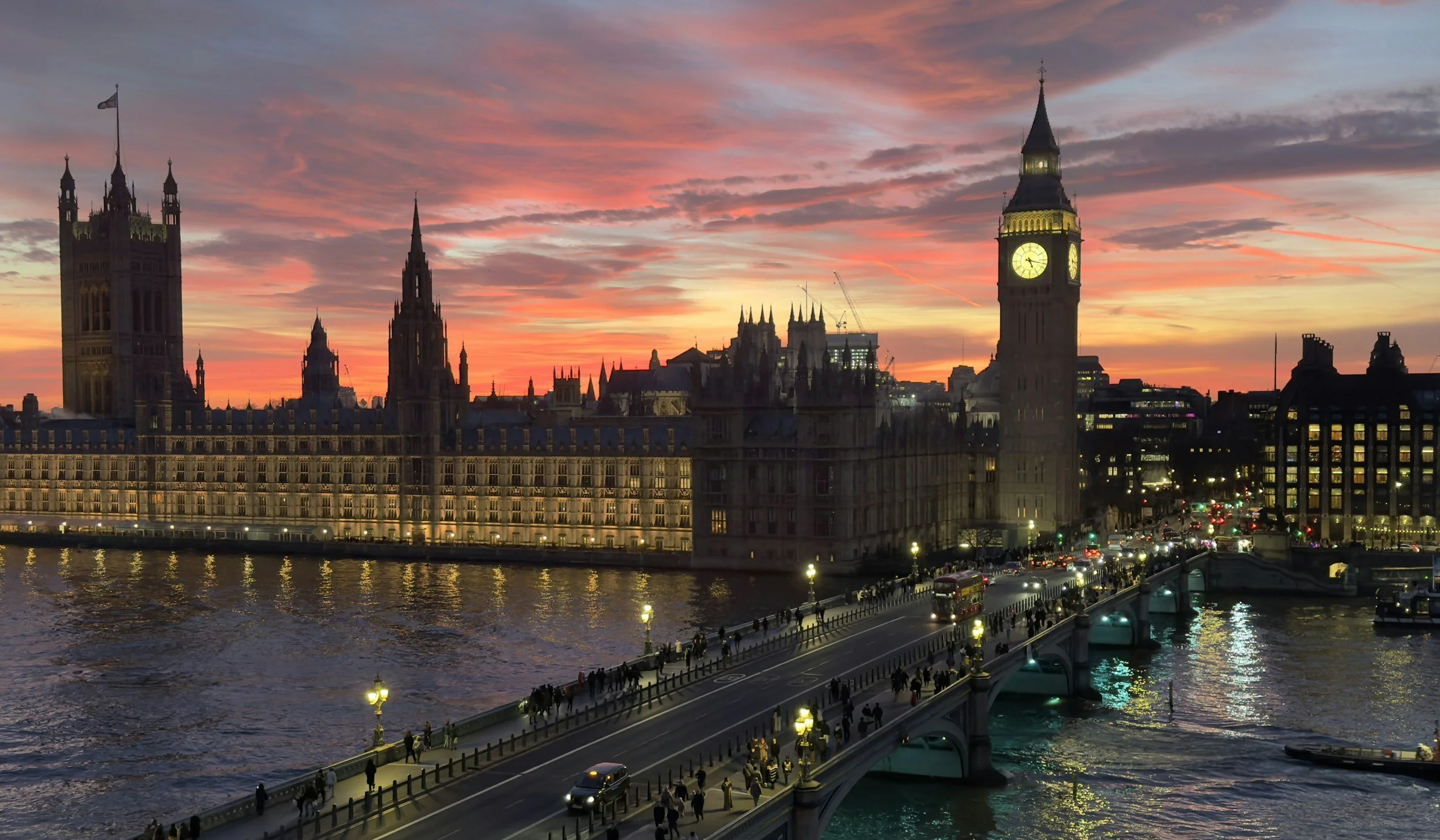
![Big Ben and the Houses of Parliament in London, a classic stop on a music tour of England]()
England
Cardiff is about two hours from London by train, and north Wales is close to Chester and Manchester.

Wales music tour questions
-
Wales works all year. Summer is festival season, with the Llangollen International Musical Eisteddfod in July and the National Eisteddfod of Wales in early August. Spring and autumn are quieter and better value, and December brings carol concerts in chapels and cathedrals.
-
Most do. Most visitors who don't need a visa for the UK, including US and Canadian citizens, must have an Electronic Travel Authorisation (ETA) before they travel. British and Irish citizens don't need one. Every traveller, including children, applies online, so build it into your planning early.
-
Every tour is costed individually. Group size matters most: shared costs such as coaches and guides are spread across everyone, and groups of around 30 or more usually share them well. Hotels in Wales generally cost less than in London, so a few nights here can balance a stay in the capital. Hotel standard and the number of nights make up the rest. Tell us about your group and we will put together a quote.
-
Yes. The ferry between Dublin and Holyhead takes just over three hours, and your tour coach can come with you, so north Wales and Ireland pair naturally. We plan the whole route as one tour.
-
Both. Most groups travel with their own wind, string and smaller instruments, and we arrange percussion, keyboards and other large instruments locally. If you cross by ferry with a coach, you can bring more of your own equipment.
-
No. English is spoken everywhere in Wales, and signs and most information are in both languages. Many choirs enjoy learning a Welsh song before they arrive, though, and singing one in Welsh is a lovely way to connect with a local audience.
-
Yes, and most groups do. Many simply add Cardiff, which is about two hours from London by train, but we would encourage you to see more. Fly into Manchester, head for Wrexham and Eryri (Snowdonia) in the north, travel south to Cardiff and fly home from London. It is an easy route, and it shows you the Wales that most visitors miss.
-
Yes, more than many visitors expect. Wales has its own language, music and heritage. Cross the border and the signs are bilingual, the accent changes and the music has its own character, from male voice choirs to brass bands. It is well worth time of its own.