
Destinations · Ireland
Music tours in Ireland
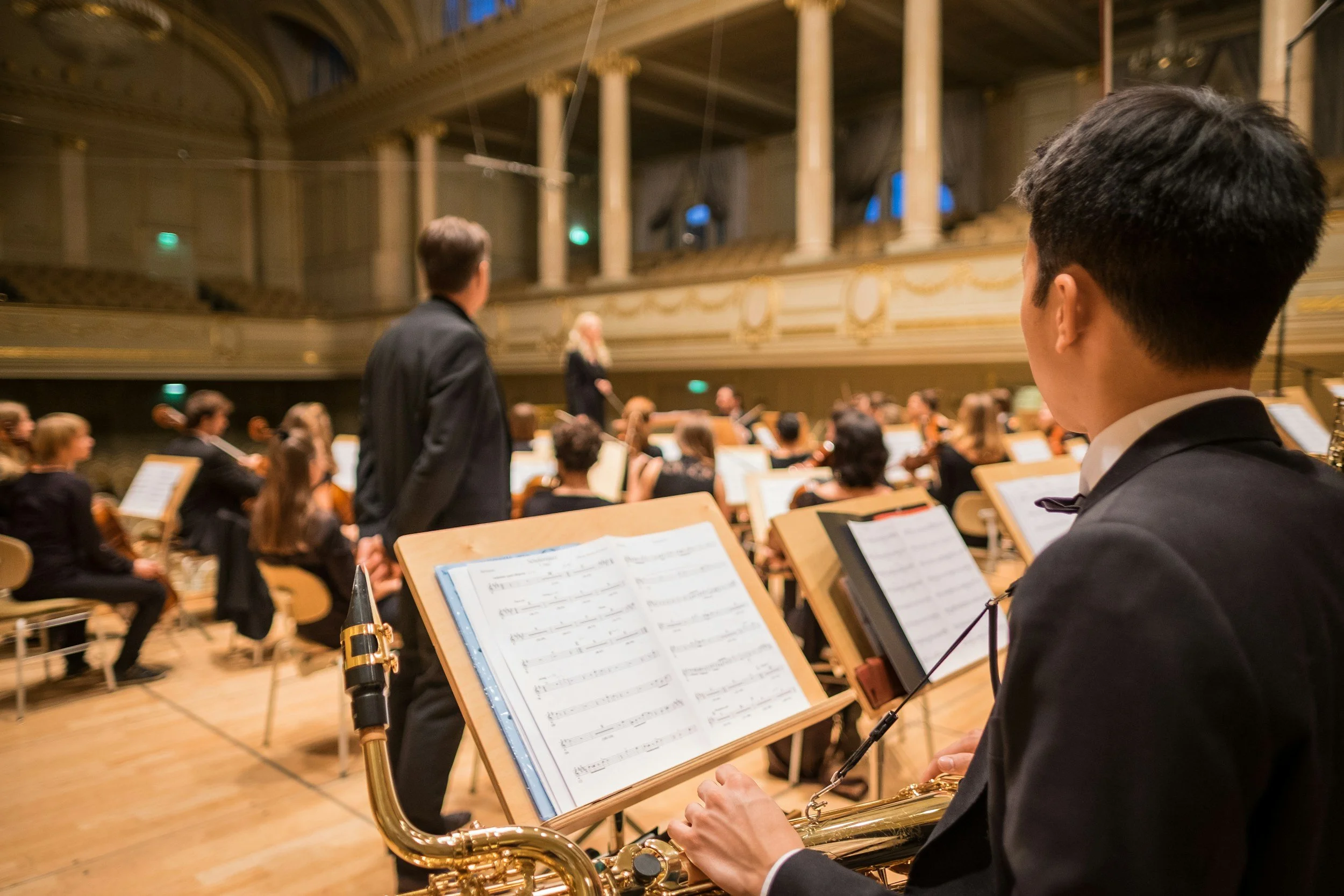
Perform where music is part of everyday life, in cathedrals, concert halls and packed town halls, alongside local bands and choirs, with a team of musicians who call Ireland home.
Why Ireland suits touring ensembles
Music runs through Ireland's history, mythology and identity. It is one of very few countries with a musical instrument, the harp, as its national emblem, and almost every town has its traditional musicians, its choirs and often a concert band or orchestra. Audiences and host ensembles love to welcome visiting groups and perform alongside them, from the west coast to the Causeway Coast, and music has long brought communities together, north and south.
Ireland is small, so it's tempting to try to see it all. Our advice is to slow down. Each town and region deserves time, and the best moments often happen off the bus: an evening session in a pub, a stroll through a market town, a conversation with your host choir after the concert.
You'll find a modern, outward-looking country where tradition is lived rather than staged, and where the Irish language still gives the culture a voice of its own.
2 to 3
regions per tour
32
counties, one island
Galway
our home base
The harp
Ireland's national emblem
Where to perform in Ireland
Some of Ireland's best performances happen in packed churches and town halls, where a warm audience matters more than the size of the stage. Matching the right space to your ensemble takes local knowledge, and that's what we bring.
Dublin
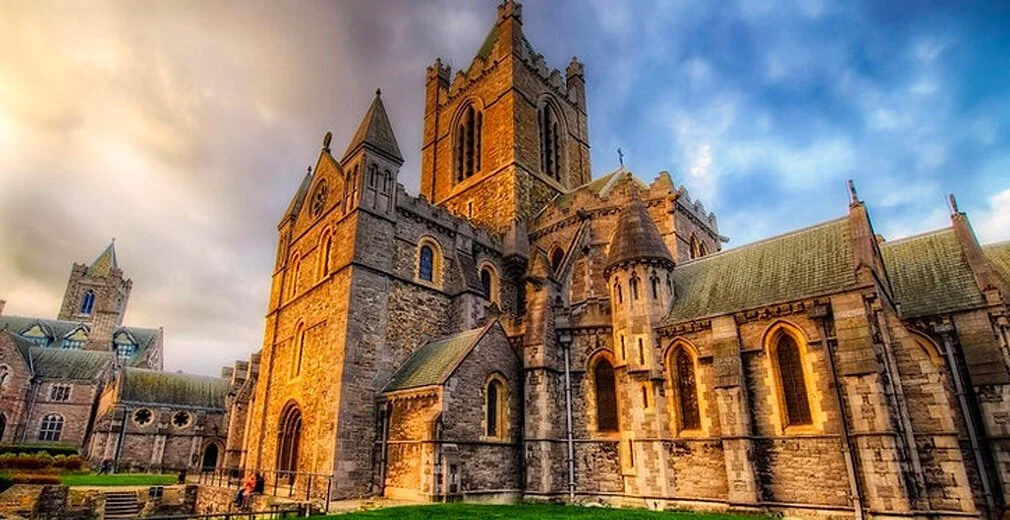
Christ Church and St Patrick's cathedrals, the National Concert Hall and the Chapel Royal at Dublin Castle.
Belfast and Derry
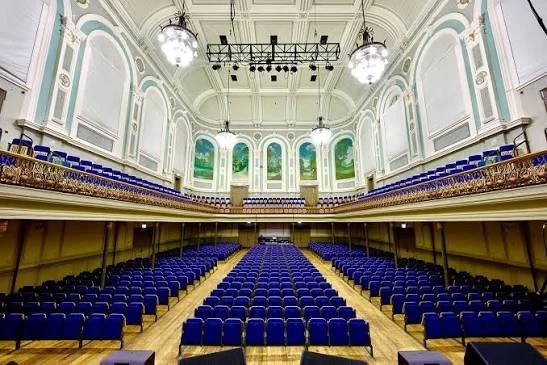
Belfast Cathedral, Waterfront Hall and Elmwood Hall in Belfast, and the Guildhall and Millennium Forum in Derry.
Galway and the west
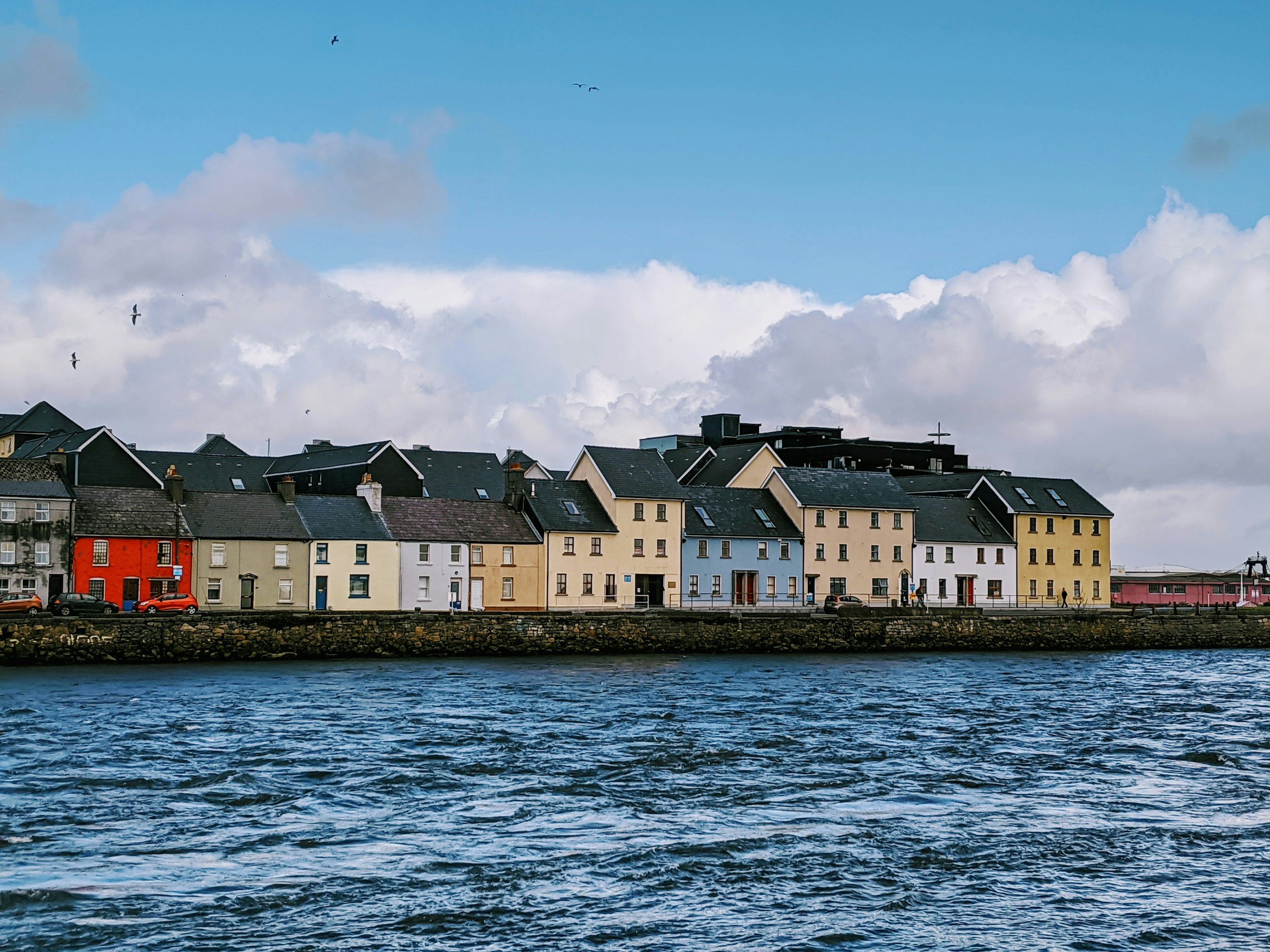
Our home: St Nicholas' Collegiate Church in Galway, Kylemore Abbey, and St Mary's Cathedral in Limerick.
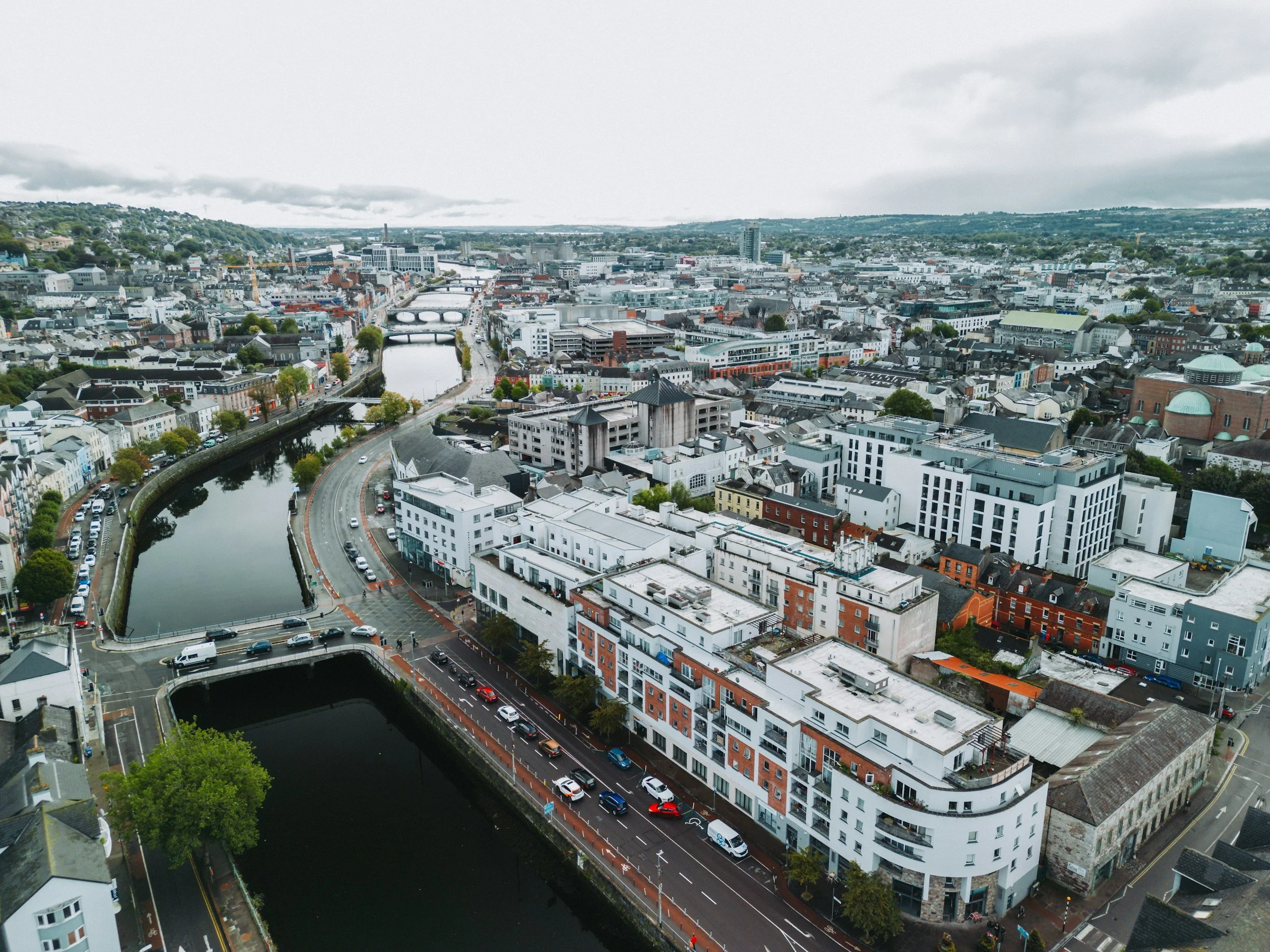
Cork and the south
The Aula Maxima at University College Cork, the Cork School of Music and Siamsa Tíre in Tralee.
A living music tradition you can join in
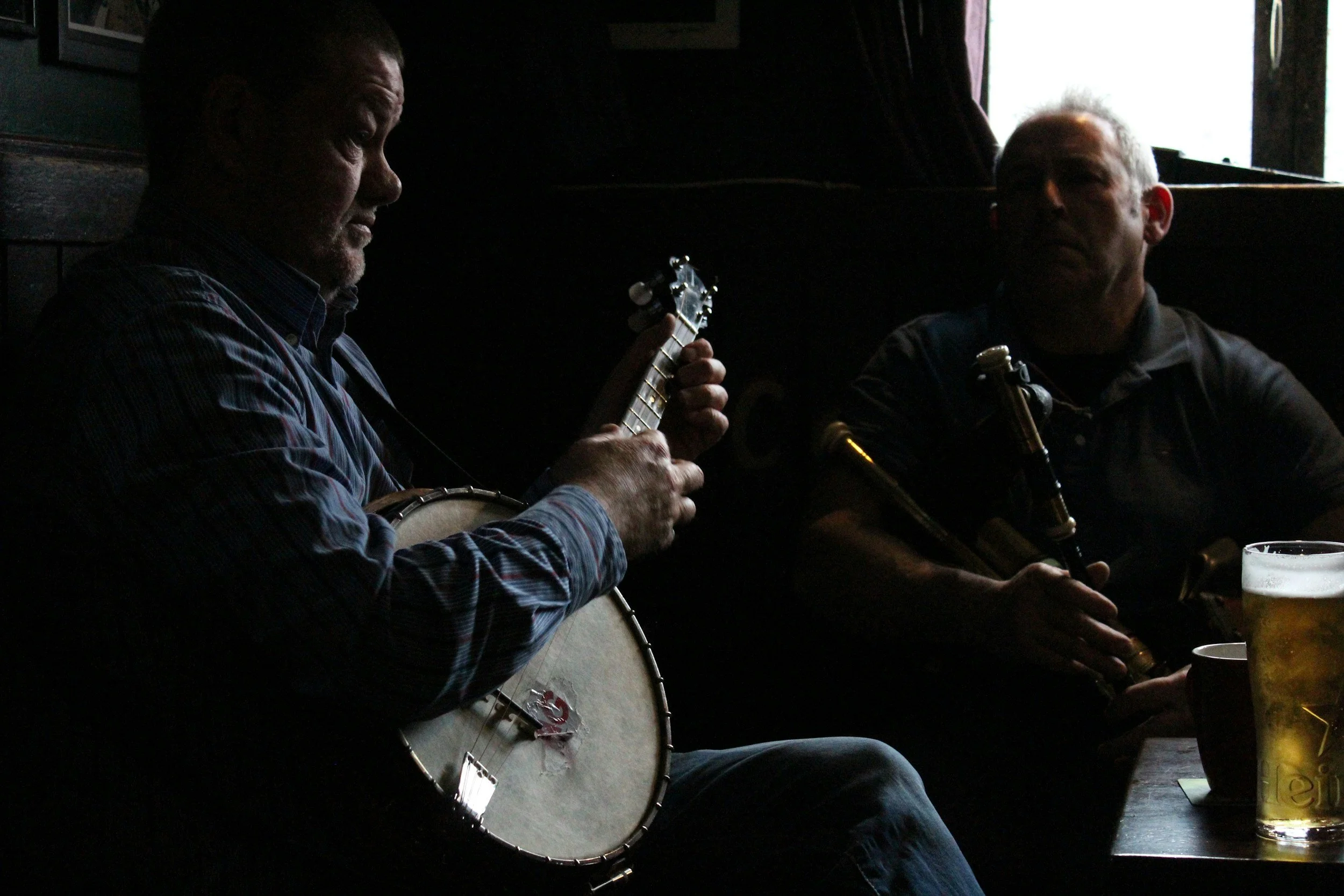
Traditional music in Ireland isn't kept behind glass. It's played in kitchens, halls and pubs every night of the week, and visiting musicians are welcomed in.
Your tour can include a session, a céilí where everyone gets up to dance, and a workshop with the players and singers who keep the tradition going. Everyone speaks English, but Irish is the national language, and learning a song in Irish is one of the warmest ways to say hello.
Ways to take part
Traditional music sessions · Céilí dancing · Bodhrán and tin whistle workshops · Songs in the Irish language
Between the concerts
Ireland's landscapes and history make the days between concerts as memorable as the music. We plan sightseeing around your schedule, with time to wander, and the food may surprise you: from a hotel breakfast to a village café, it's hard to find a bad meal.
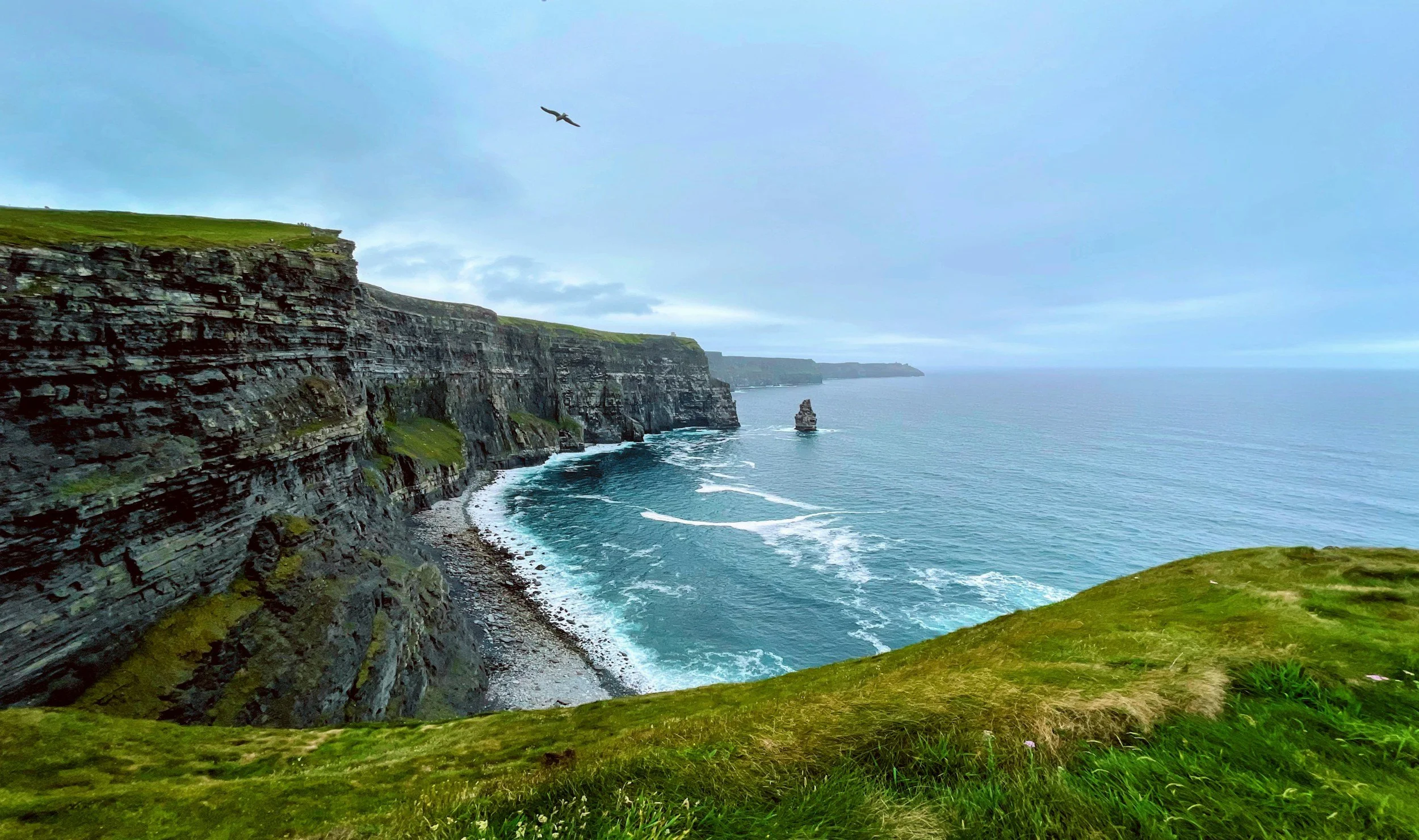
The Wild Atlantic Way
Walk the Cliffs of Moher, cross the Burren and see Connemara, all on our doorstep in Galway.
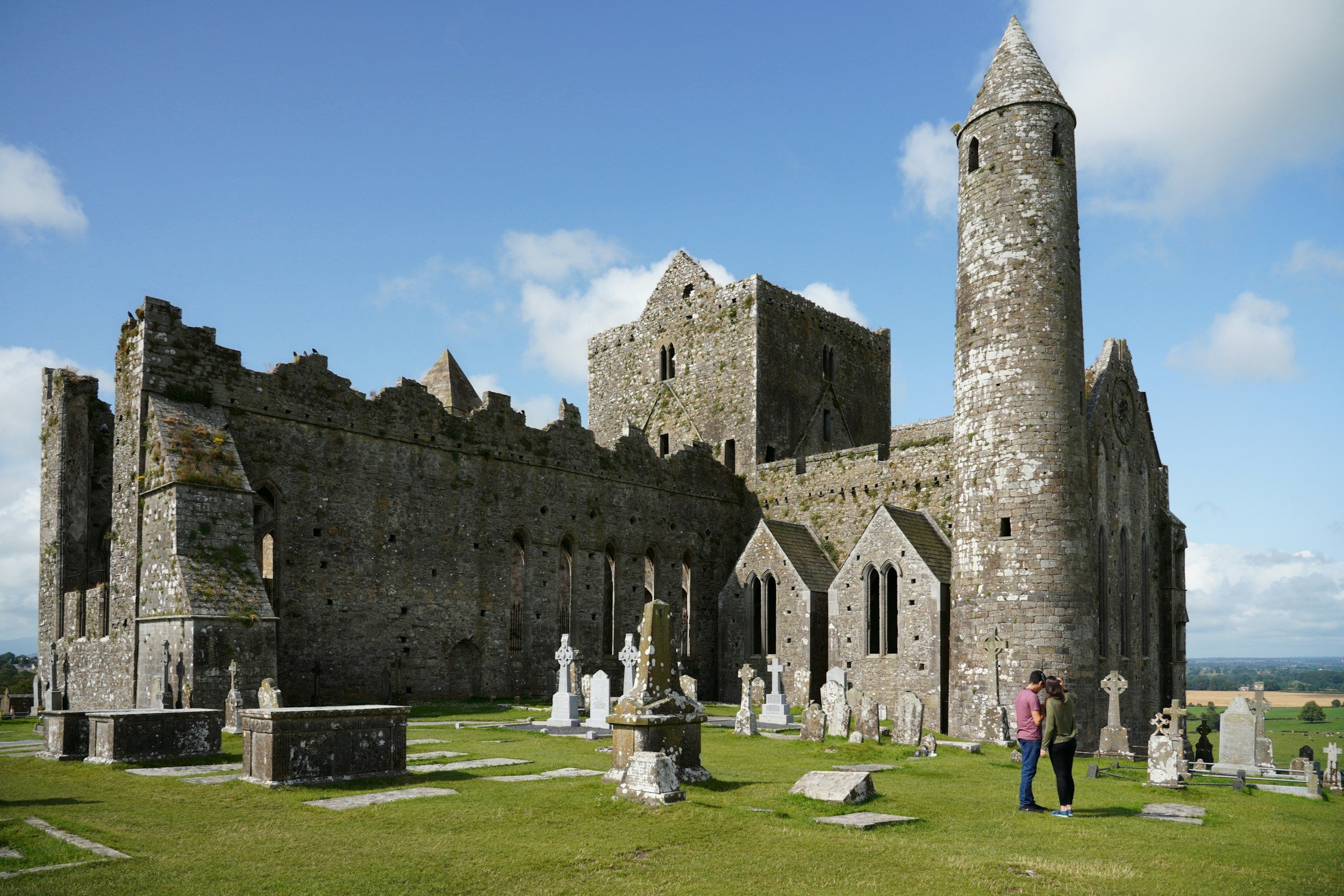
Ireland's Ancient East
Kilkenny's medieval streets, the Rock of Cashel and the monastic valley of Glendalough.
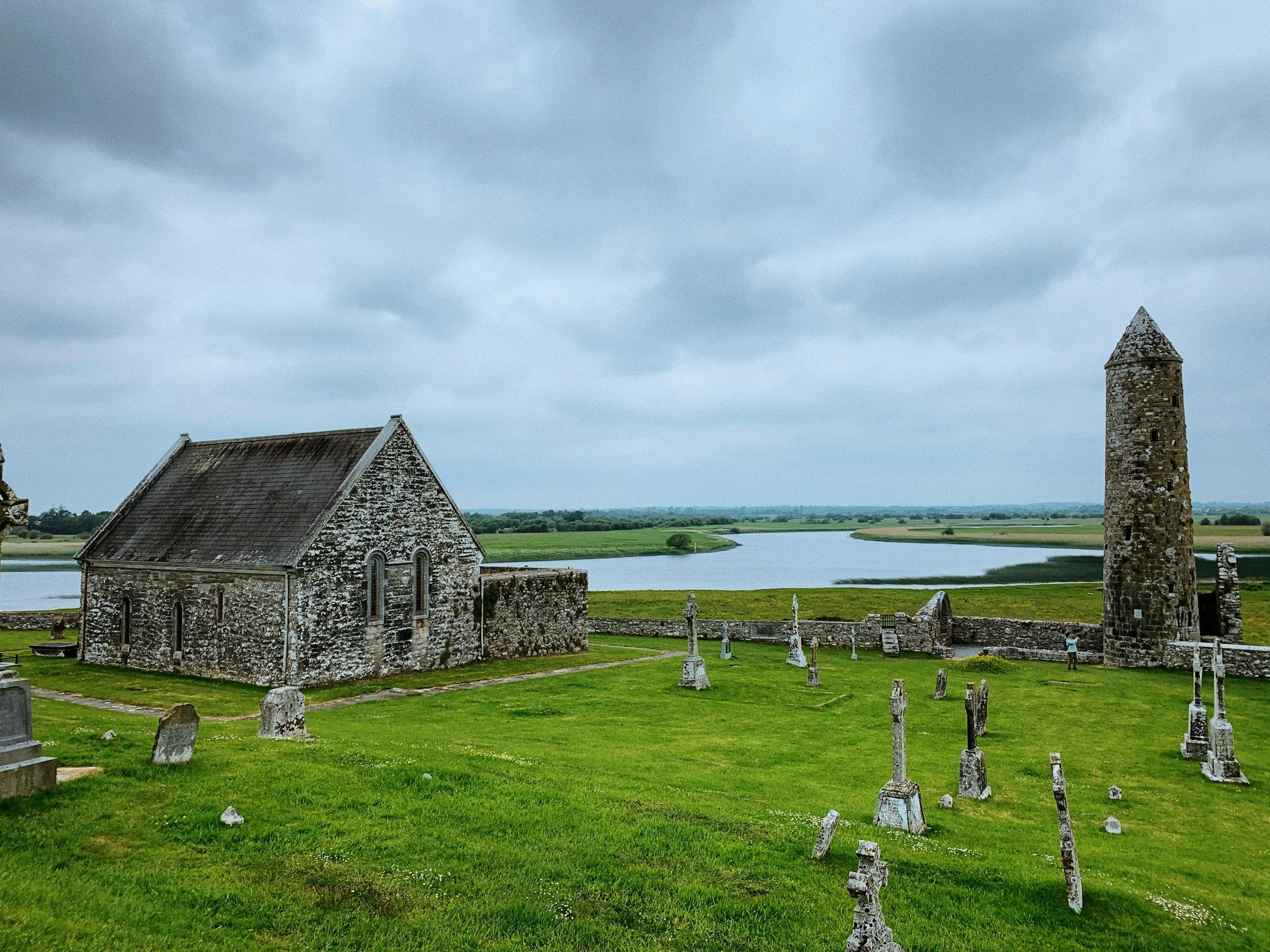
Ireland's Hidden Heartlands
Cruise the Shannon, visit Clonmacnoise and explore the Midland lakes on the road to Galway.
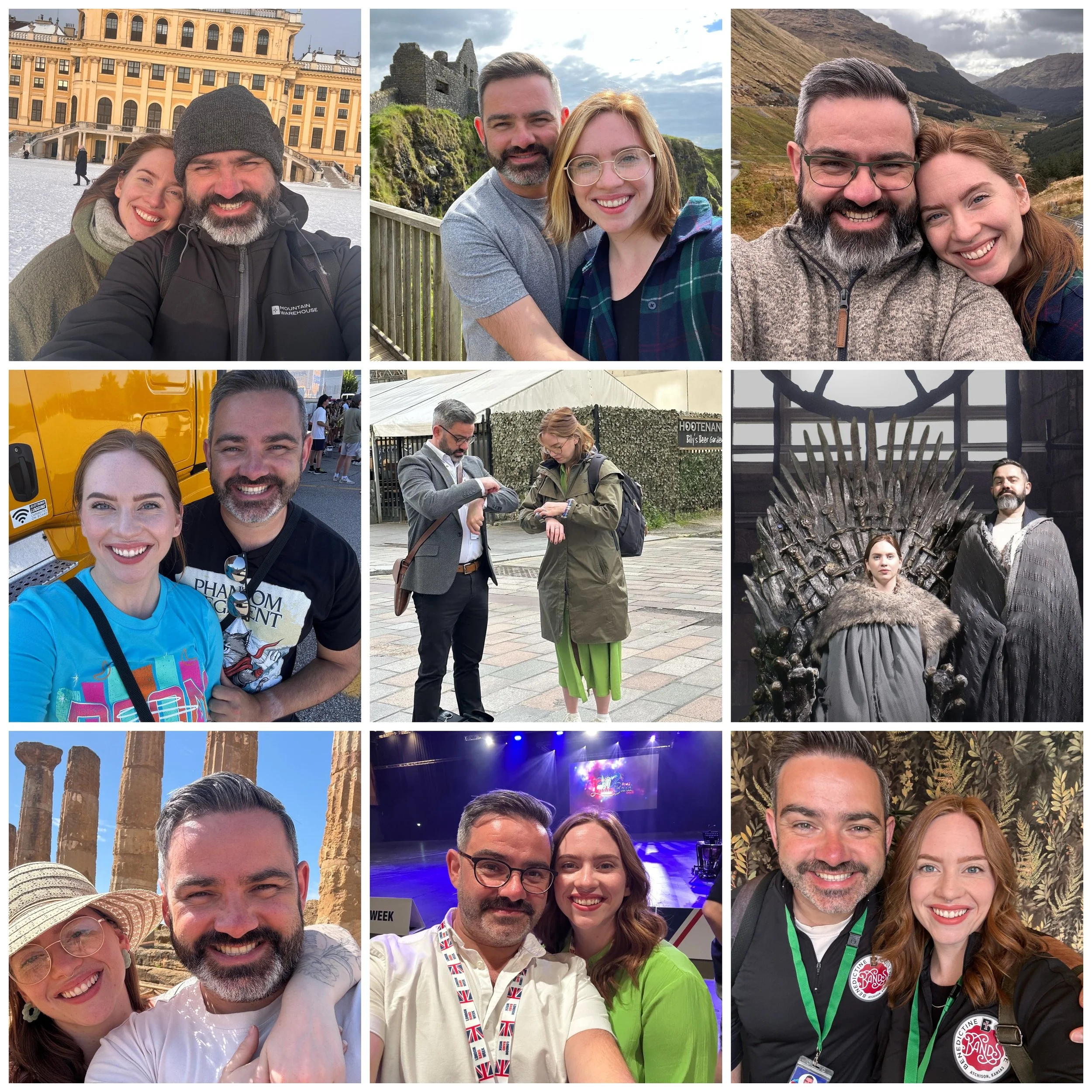
Planned by musicians who live in Ireland
Ireland isn't a destination we researched. It's home. Keith grew up in Dublin, where he was part of numerous bands and orchestras, and our team have played in and taught many of the bands, choirs and orchestras your group could meet, so an exchange here means meeting our own people. We know the island from years of living, guiding and driving here, and we spend our days off in Galway. An Upbeat tour manager travels with your group from arrival to departure.
Festivals
Ireland's festivals give a touring group a ready-made stage and an audience that came for the music, from the St Patrick's Day parades in Dublin and Limerick to band championships in West Cork and choral festivals in Cork, Limerick and Derry.
-
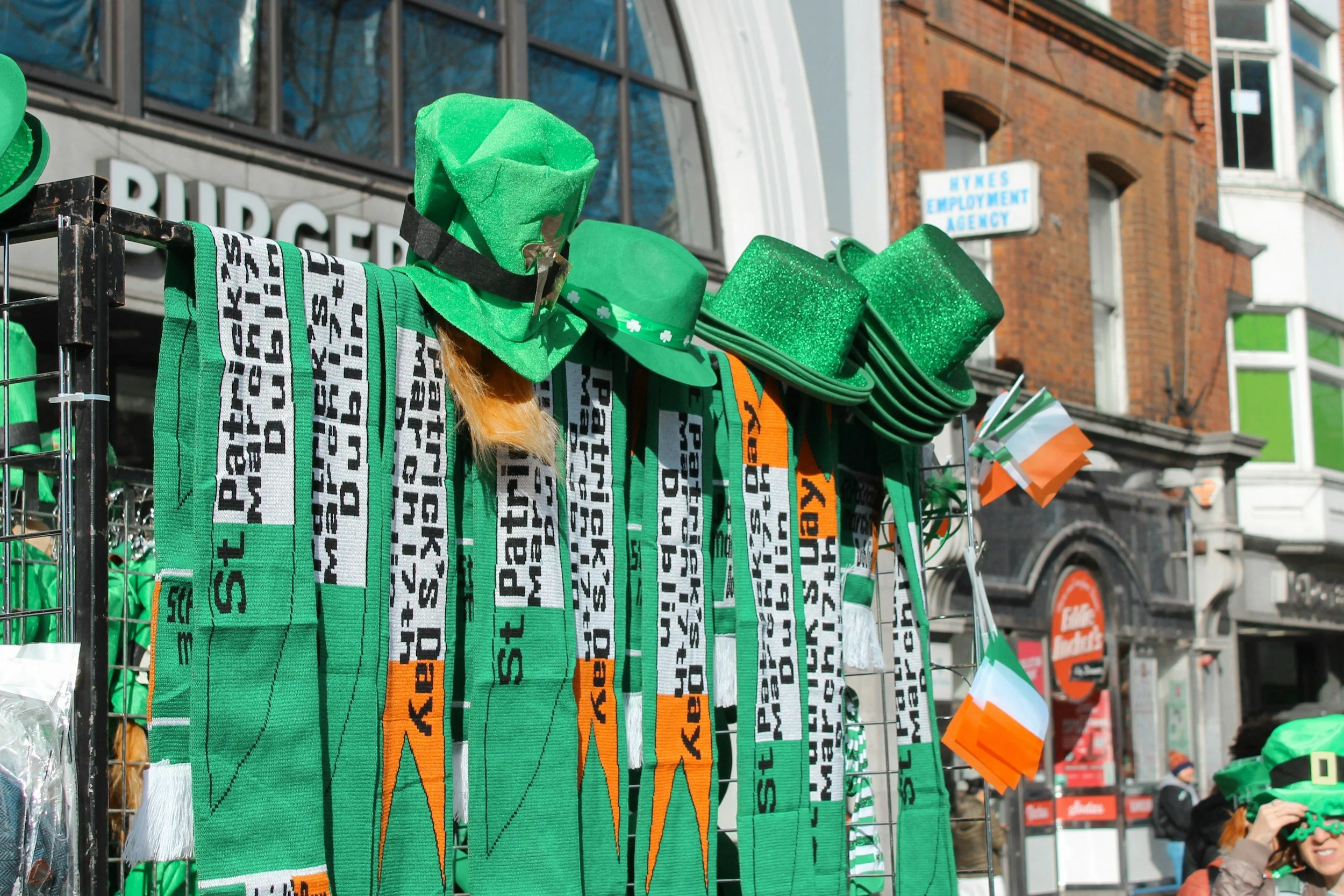
![Irish flags and green bunting on a Dublin street during St Patrick's Festival, when touring bands march in the parade]()
St Patrick's Festival, Dublin
Dublin, March. Bands from around the world march in Ireland's biggest parade, the centrepiece of a festival that takes over the city.
-
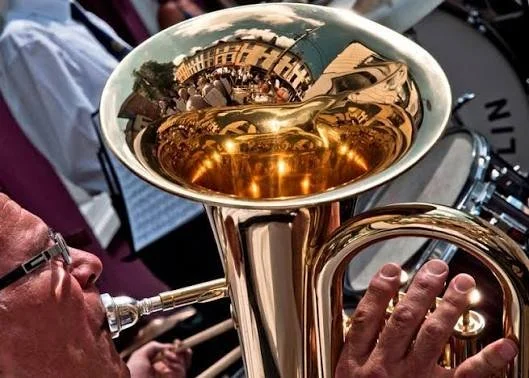
![Brass players at a band championship, a goal for many touring concert bands in Ireland]()
South of Ireland Band Championships
A seated concert band contest in Clonakilty, West Cork, each July, held alongside the town’s Old Time Fair. Bands from the USA and Scotland have competed in the senior section.
-
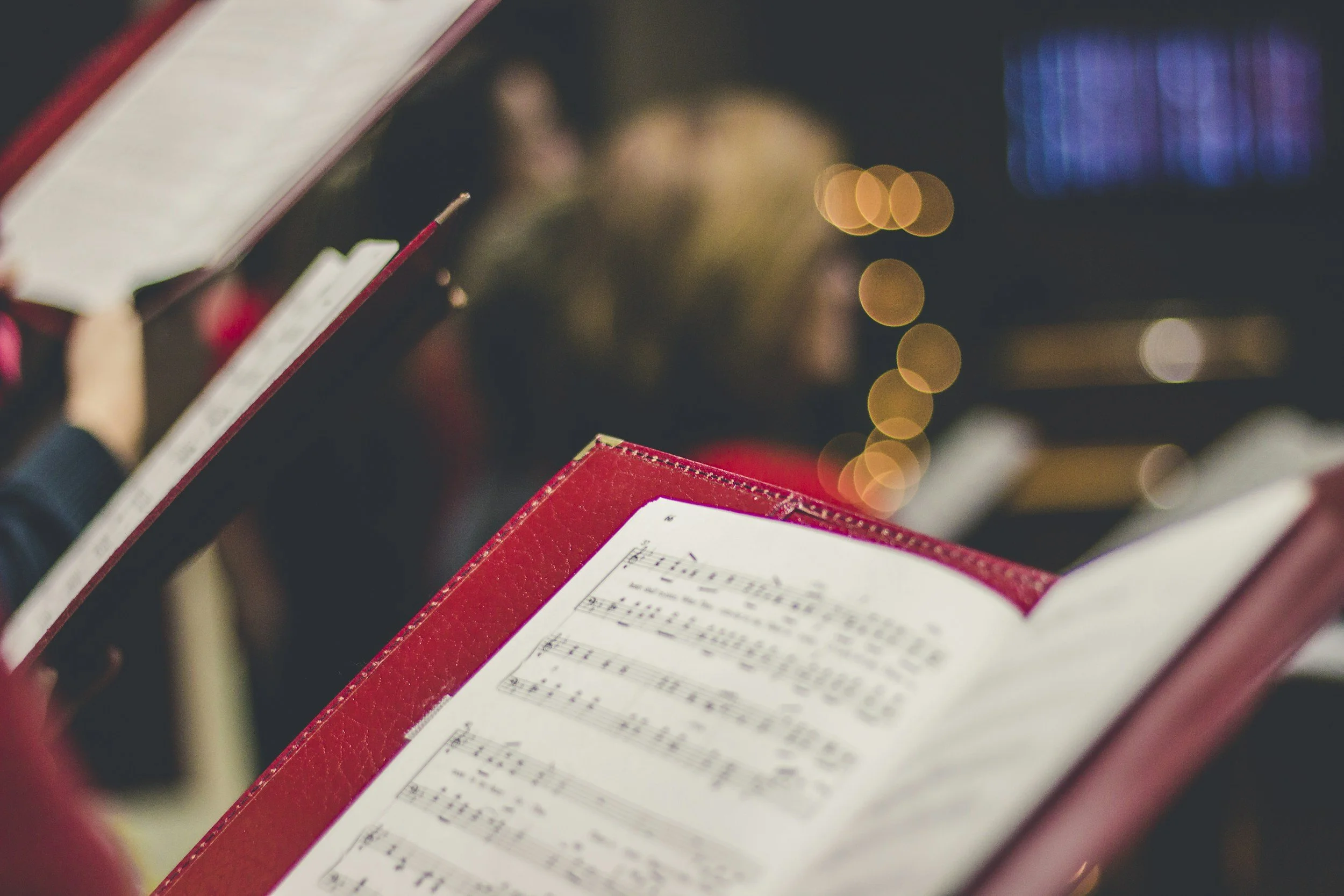
![Choir singers reading from their scores, as visiting choirs do at the Cork International Choral Festival]()
Cork International Choral Festival
Cork, spring. A long-running international choral festival, with competitive and non-competitive performances across the city.
-
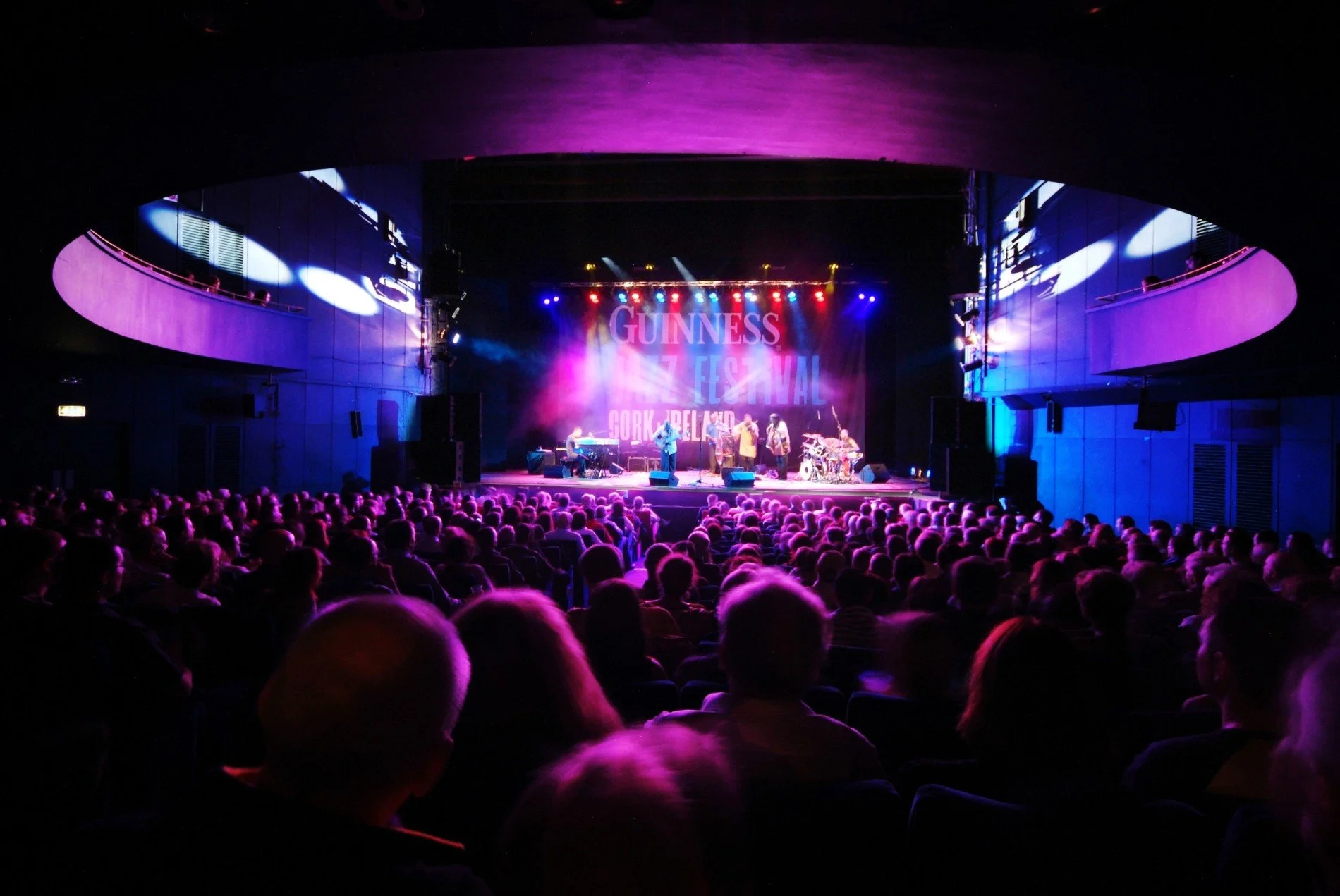
![Live jazz at the Guinness Cork Jazz Festival, where touring jazz bands and big bands perform each October]()
Guinness Cork Jazz Festival
Cork’s October bank holiday weekend of jazz, with around 500 musicians across 80 venues. Best for bands with a jazz or big band programme.
-
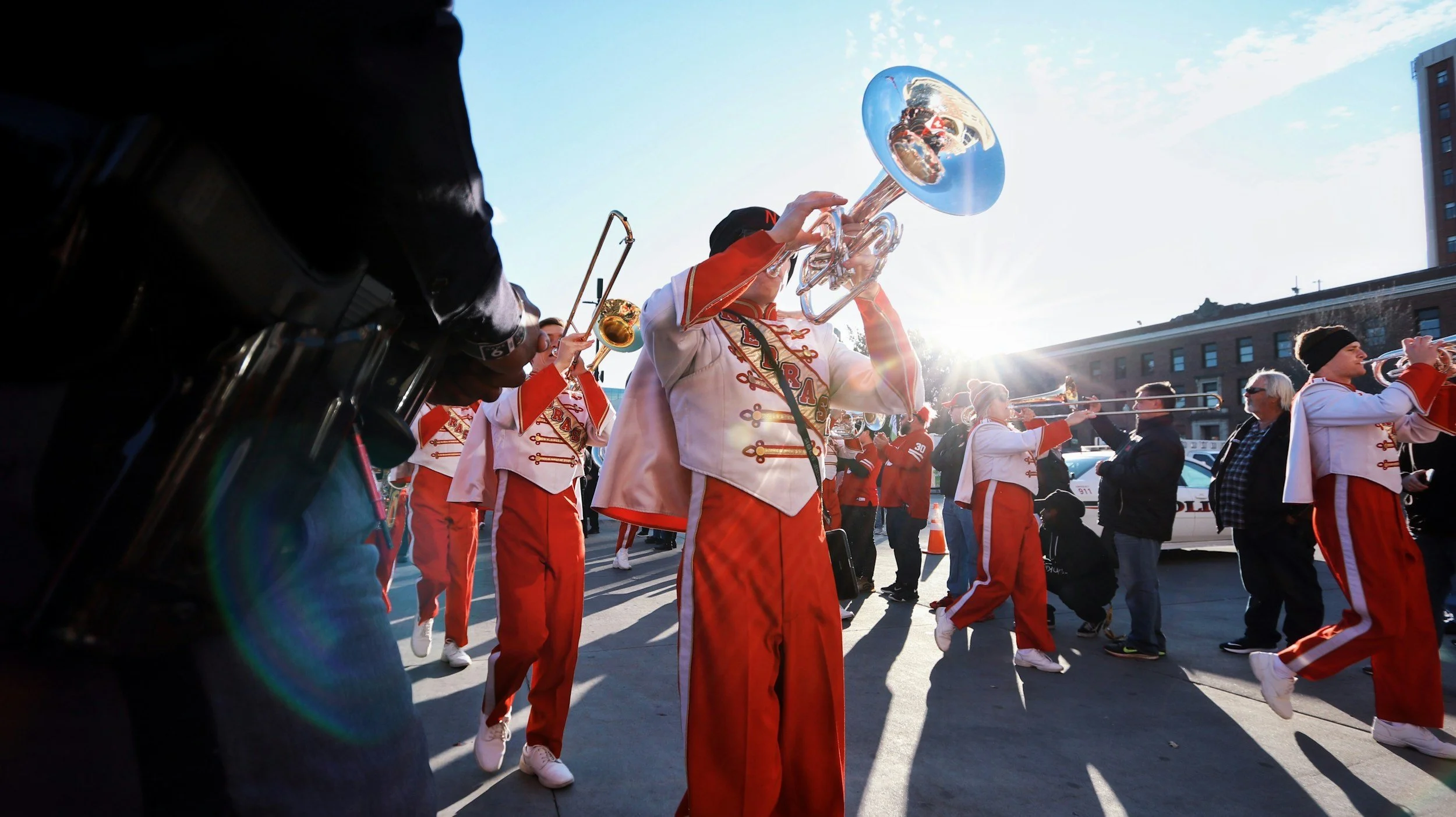
![A marching band on parade in the sunshine, as touring bands do at the Limerick International Band Championship]()
Limerick International Band Championship
Limerick, St Patrick’s Day. A marching band competition and parade that brings international bands to the streets of Limerick.
-
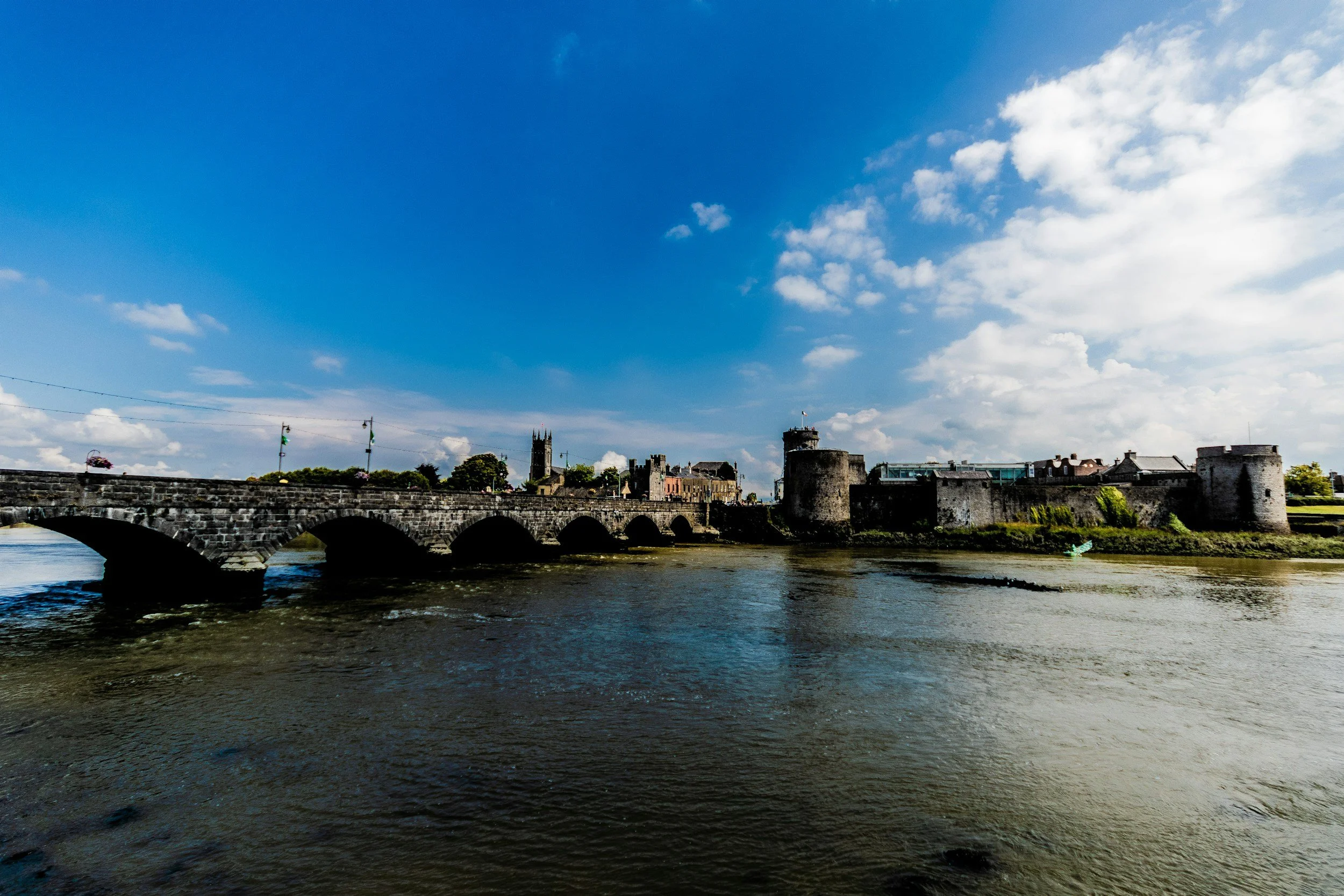
![King John's Castle and the River Shannon in Limerick, host city of Limerick Sings for choirs on tour]()
Limerick Sings
Limerick, June. A non-competitive international choral festival of concerts, workshops and a choral trail, where visiting choirs perform alongside Irish singers.
-
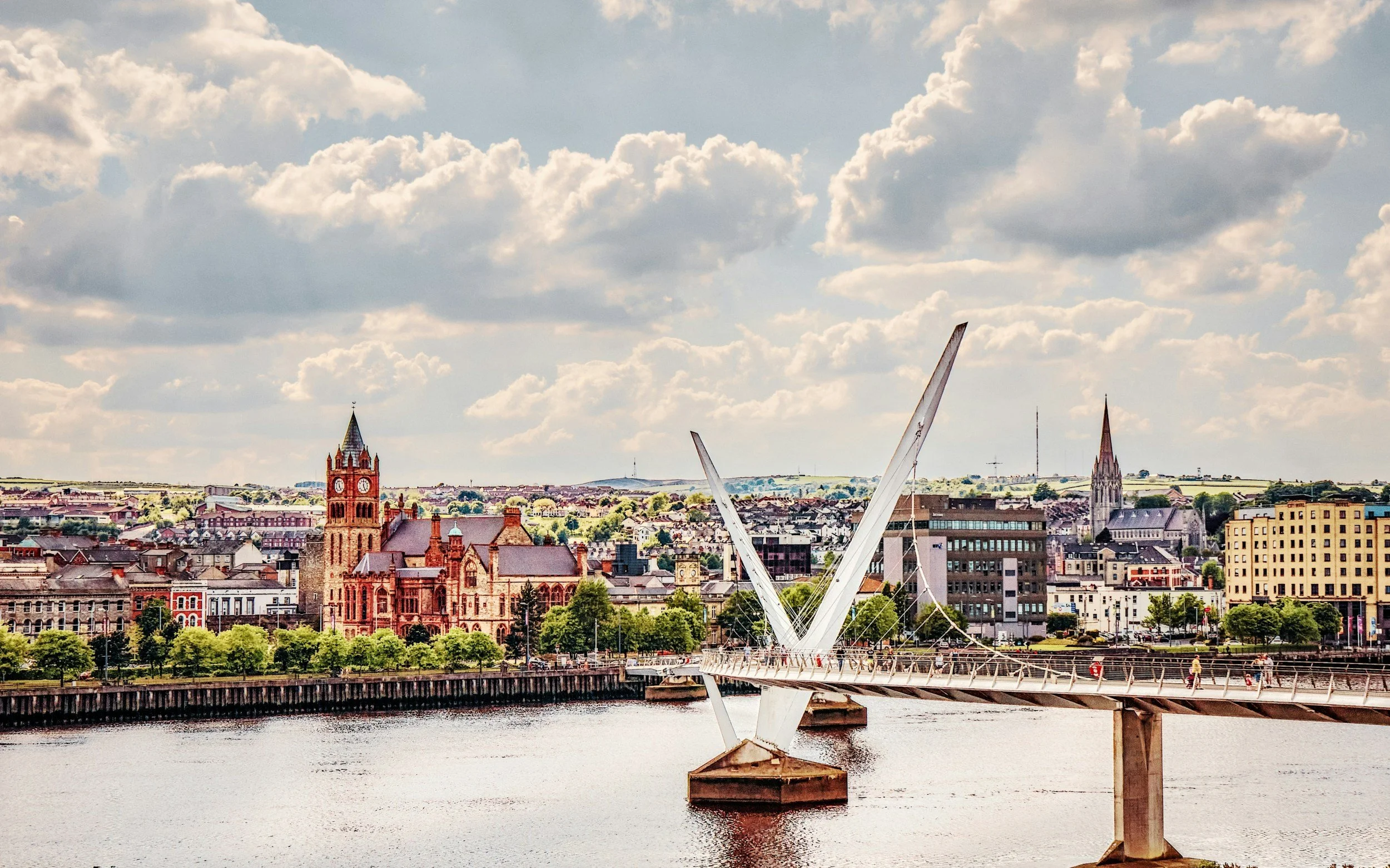
![The Peace Bridge and city of Derry, home of the City of Derry International Choir Festival for choirs on tour]()
City of Derry International Choir Festival
Derry, autumn. Choral competitions, concerts and workshops in the walled city, open to choirs from Ireland and abroad.
Music tours in Ireland for every kind of ensemble
School, collegiate and community groups all tour Ireland with us. This is what Ireland offers each kind of ensemble.
Marching band and drum corps
Ireland is the home of St Patrick's Day, with parade slots in Dublin, Limerick, Cork and towns across the country.
Concert band
Cathedral and town hall concerts, and joint concerts with Irish community bands we've played in and taught.
Orchestra
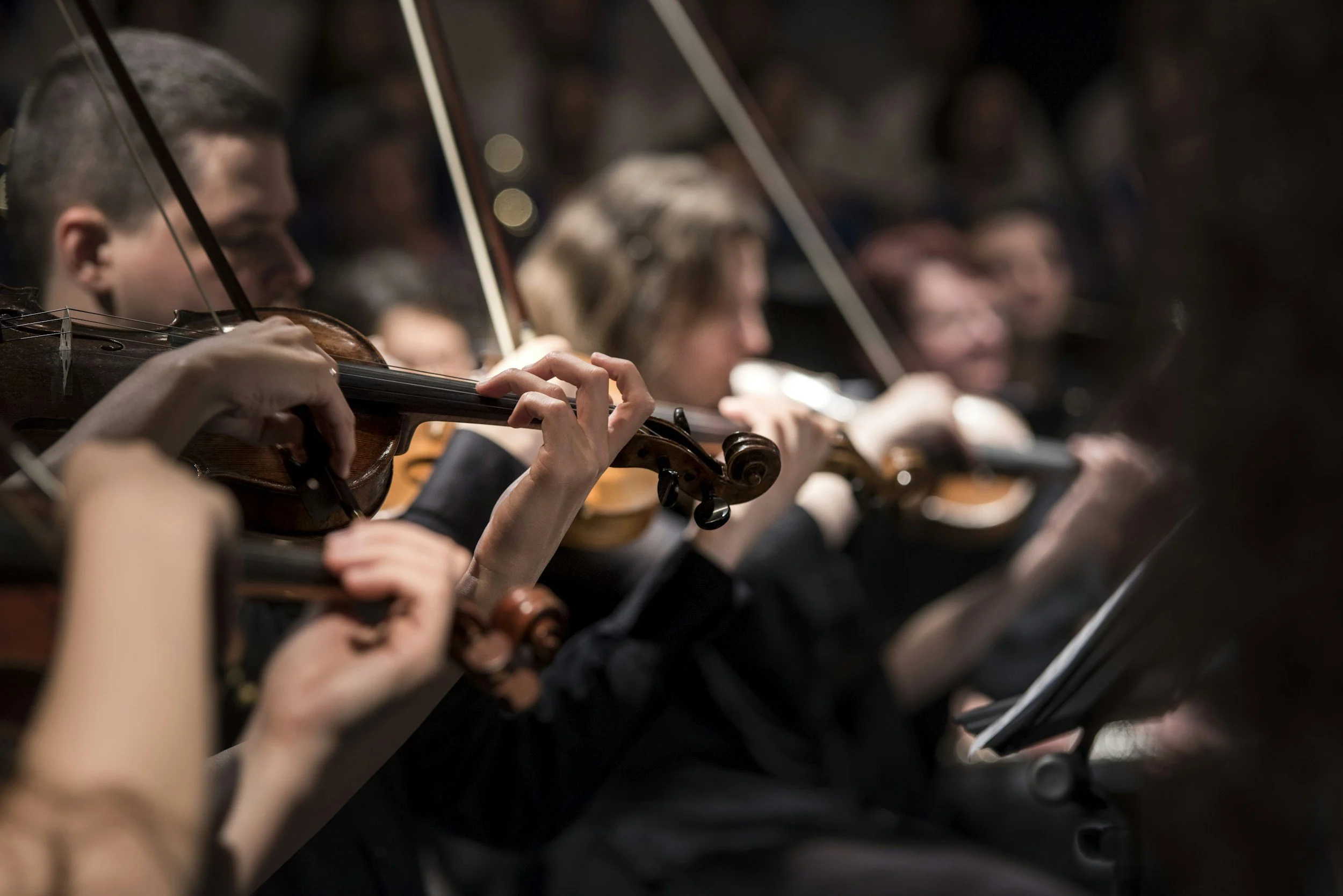
Concert halls and historic churches with fine acoustics, and side-by-side sessions with local musicians.
Choir
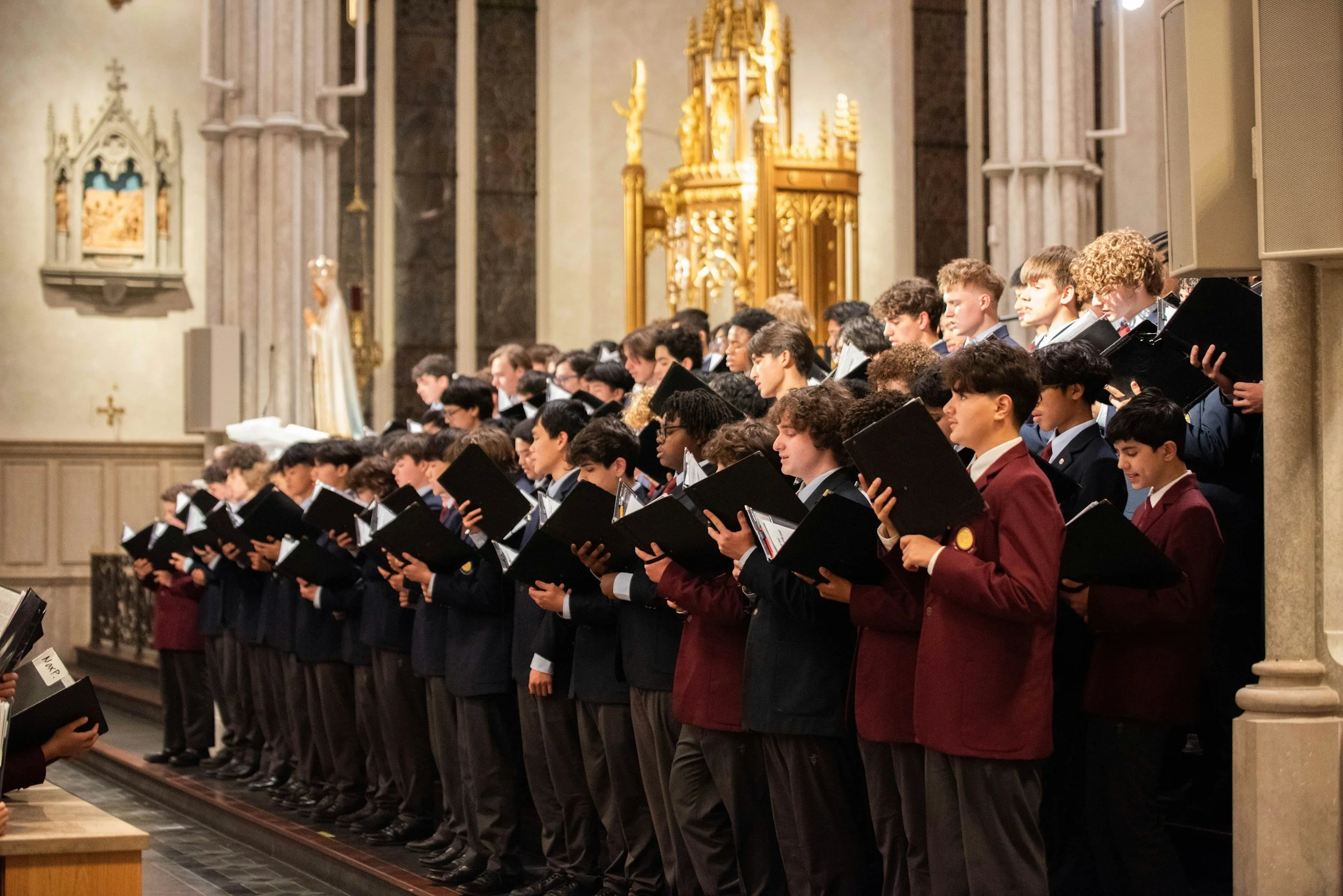
Cathedral concerts, exchanges with Irish choirs, and choral festivals in Cork, Limerick and Derry.
Pipe band
Parades and heritage venues, with Ireland's own piping tradition to explore.
Combine Ireland with
-
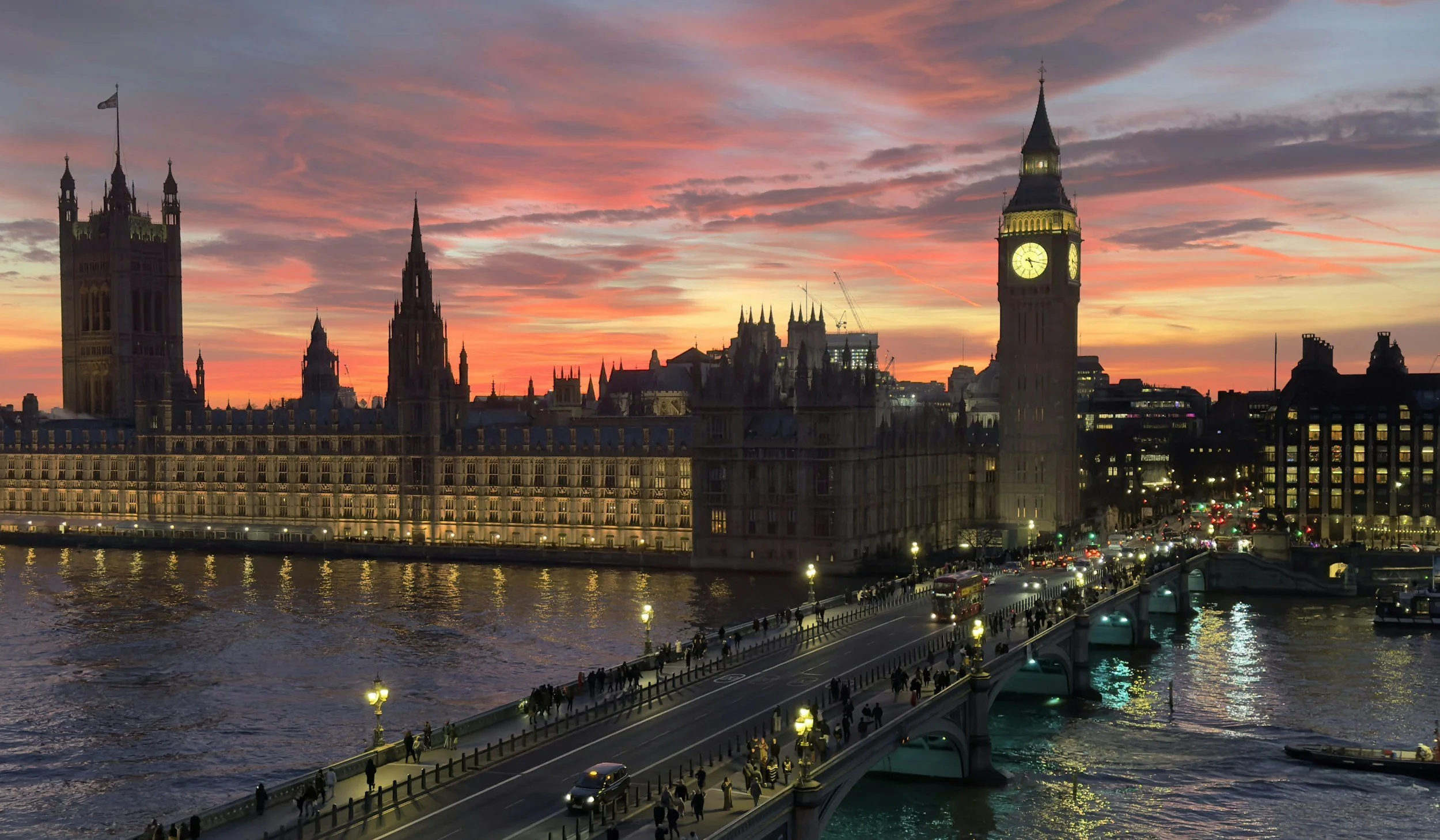
![Big Ben and the Houses of Parliament in London, a classic stop on a music tour of England]()
England
A short flight to London or Manchester, or bring your tour coach across the Irish Sea by ferry.
-
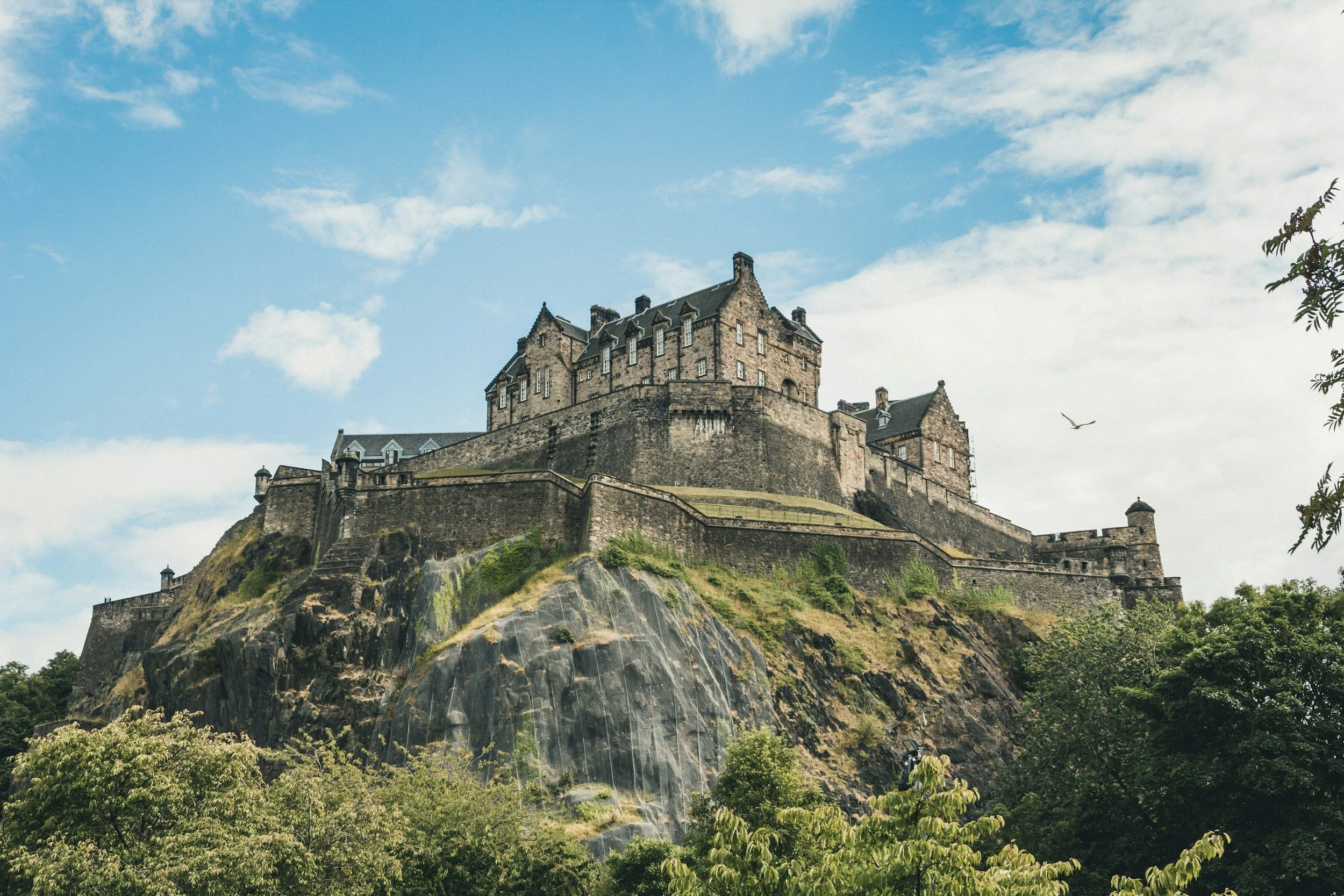
![Edinburgh Castle on its volcanic rock above the city under a blue sky]()
Scotland
A short flight to Edinburgh or Glasgow, or take your tour coach on the ferry from Belfast to Cairnryan.
-
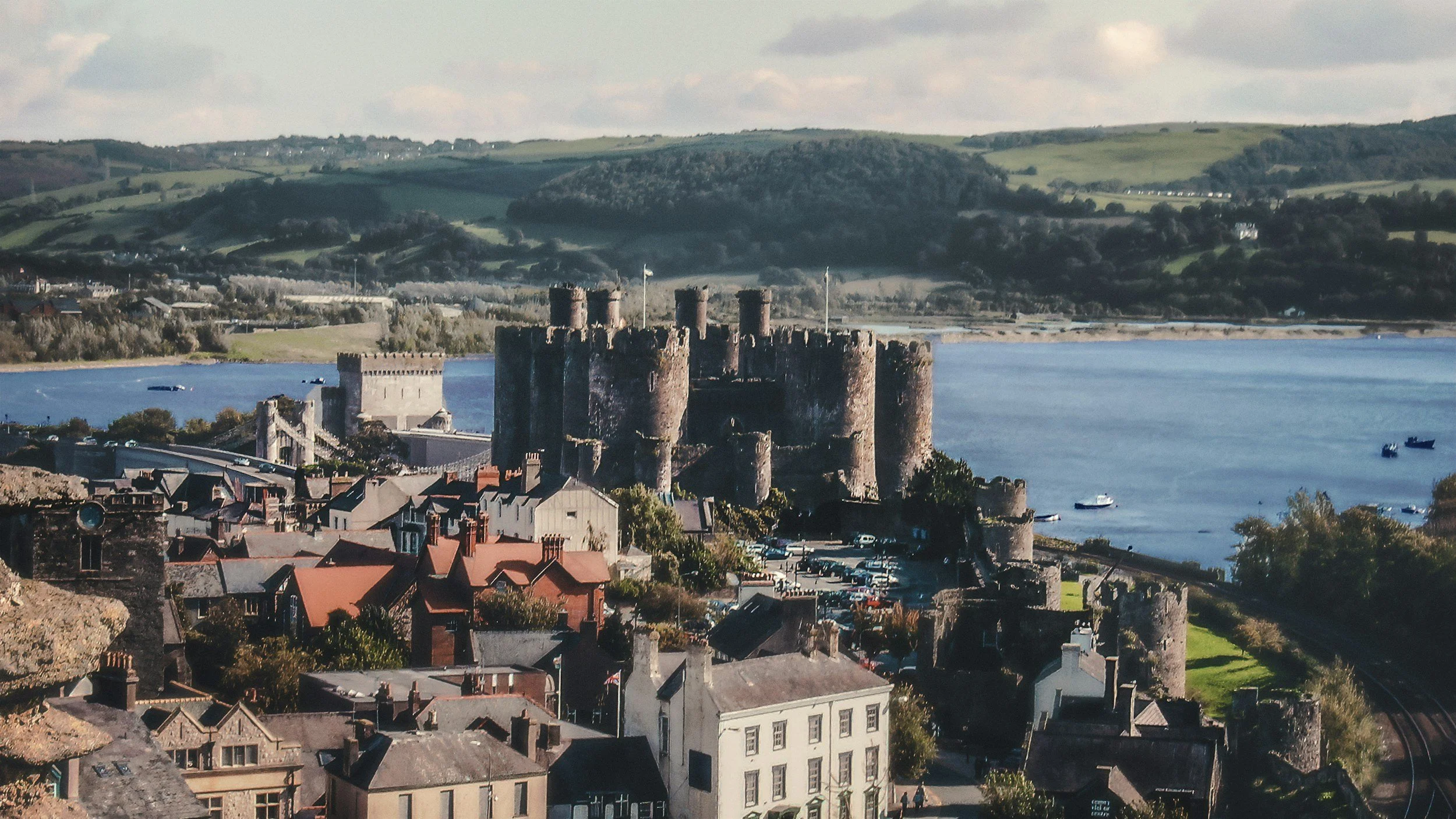
![Conwy Castle above the town and estuary in North Wales]()
Wales
Take your tour coach on the ferry from Dublin to Holyhead, or from Rosslare to Fishguard or Pembroke.
Ireland music tour questions
-
Ireland works all year, so the best time depends on what you want from the tour. March brings the St Patrick's Festival parades in Dublin and Limerick. Spring and early summer bring long evenings and the main choral and band festivals, and autumn is quieter, with the Cork Jazz Festival in October and Derry's choir festival. The weather is mild in every season, though rain is possible any time of year.
-
Yes, and many do. There are no border checks between the two, and Belfast is about two hours from Dublin by coach, so a tour can easily take in Dublin, Belfast and Derry. Northern Ireland is part of the UK and uses sterling, while the Republic uses the euro. Check the entry requirements for both before you travel.
-
Every tour is costed individually, and four things make the biggest difference. Group size matters most: shared costs such as coaches and guides are spread across everyone, and groups of around 30 or more usually share them well. Timing matters too, as peak season and festival weekends cost more. Hotel standard and the number of nights make up the rest. Tell us about your group and we will put together a quote.
-
Both. Most groups bring their own wind, string and smaller instruments, and we hire percussion and large instruments locally, so your group can travel light.
-
Most groups enjoy two or three regions over five to seven nights, with a concert in each. Ireland is small, so it's tempting to fit in more, but each town and region deserves time. Fewer hotel changes and more time off the bus give your group room to perform at its best, get over the flight and really get to know the places you visit.
-
Varied, and often smaller than directors expect. Many American schools have better halls than most Irish towns, so we look beyond the obvious stages to cathedrals, historic churches, community spaces and town halls, where a warm, full audience makes for a far better concert. Finding and matching those spaces takes experience on the ground, and it's a big part of what we do.
-
No. Everyone in Ireland speaks English. Irish is the national language, though, and you'll see it on signs and hear it in song. Many choirs enjoy learning a song in Irish before they travel, and audiences love it.
-
Yes. For decades marching bands have come to Ireland for 17 March, with the St Patrick's Festival in Dublin and great parades in Cork, Limerick, Galway and towns across the country. It isn't only for marching bands. Around those dates, towns open their doors to choirs, concert bands and orchestras for concerts too, so it's a wonderful time for any ensemble to visit.